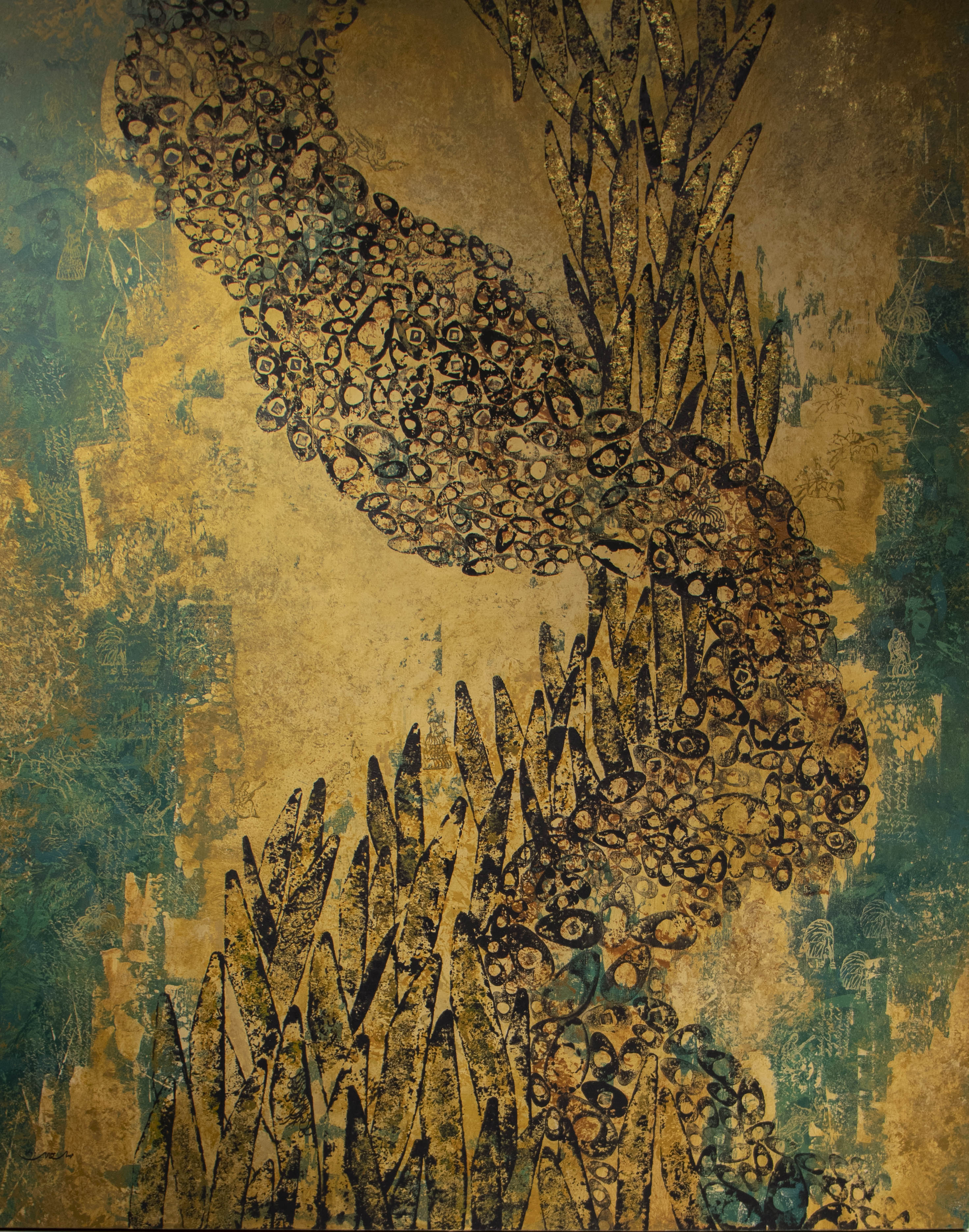
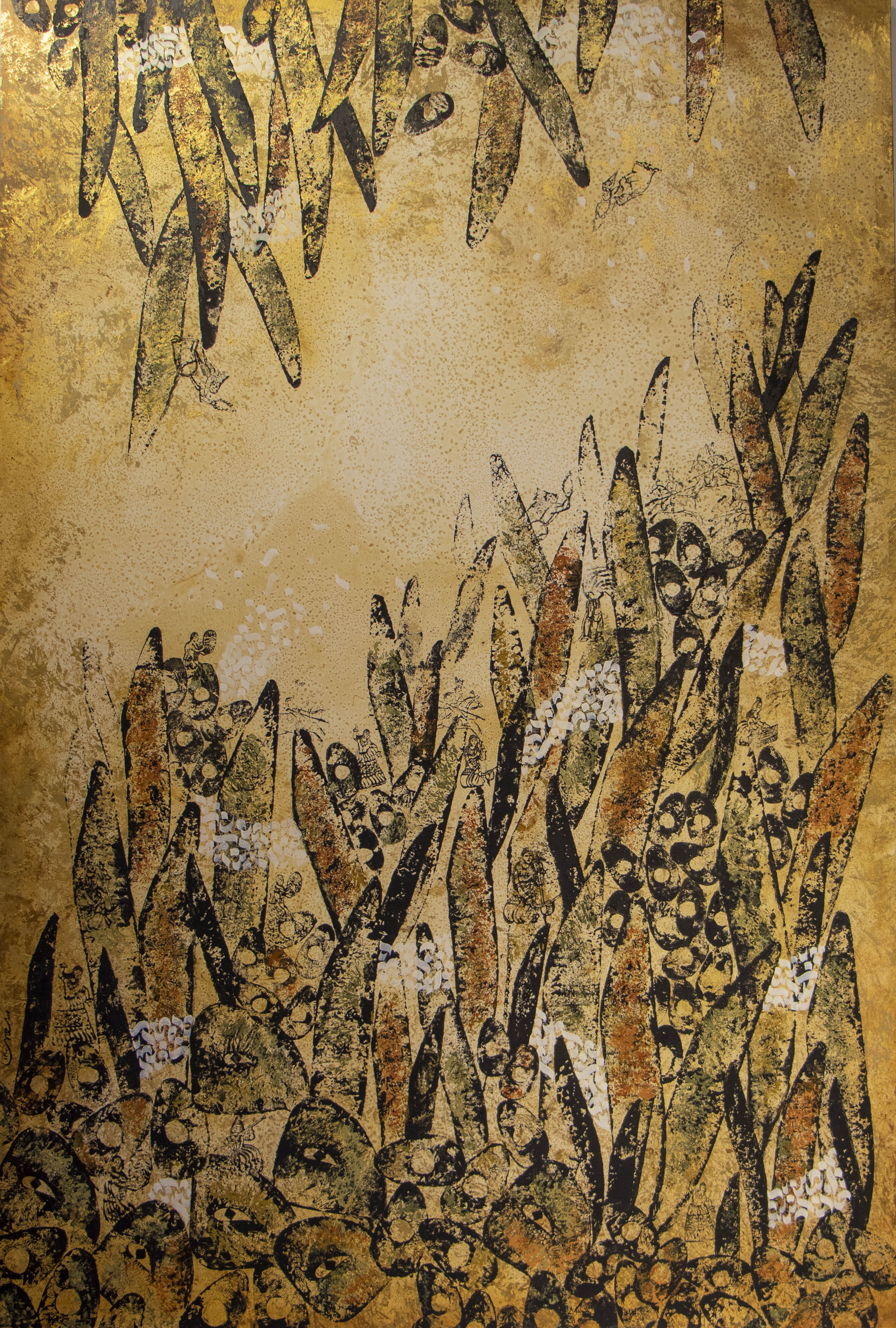
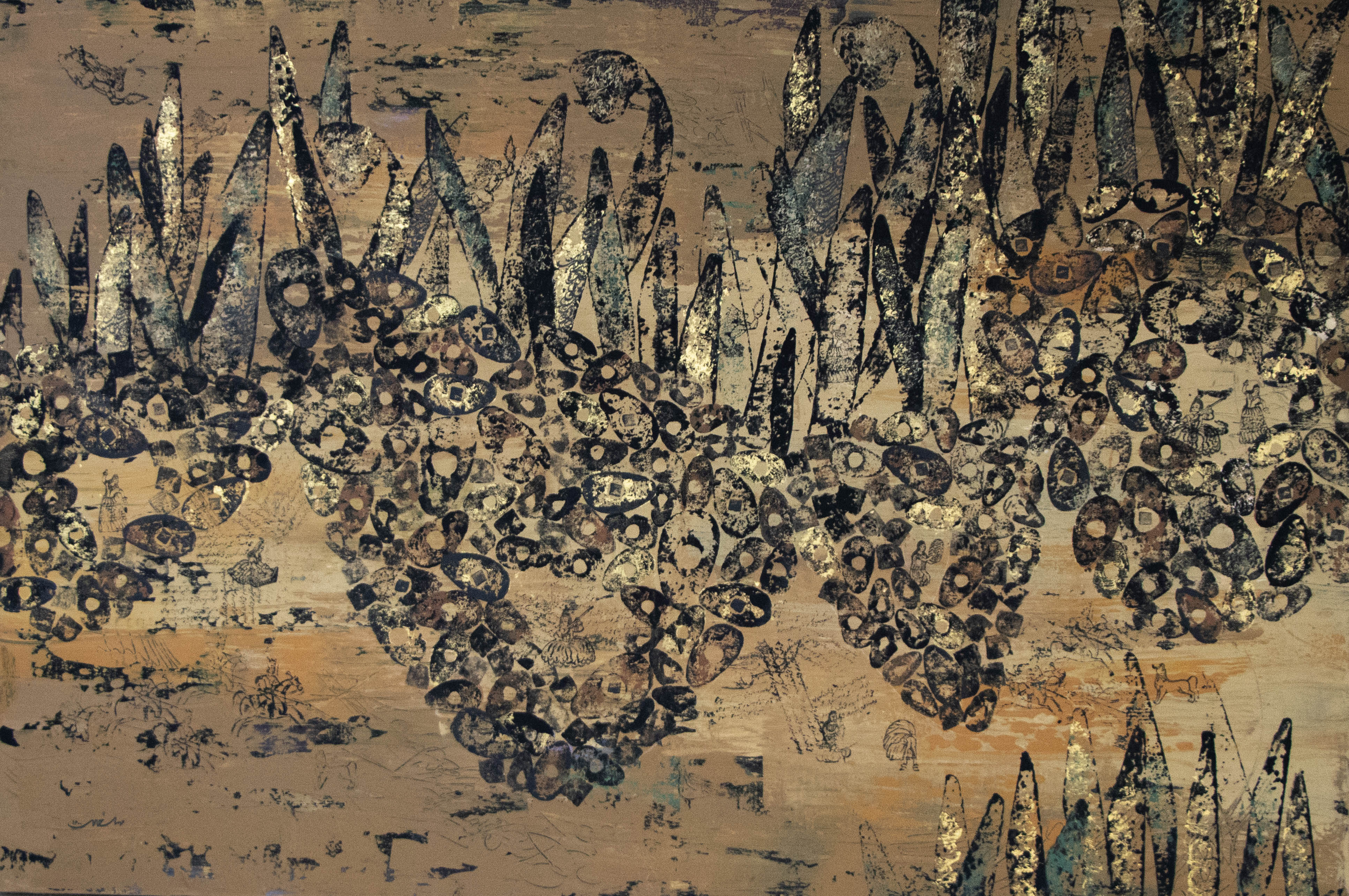
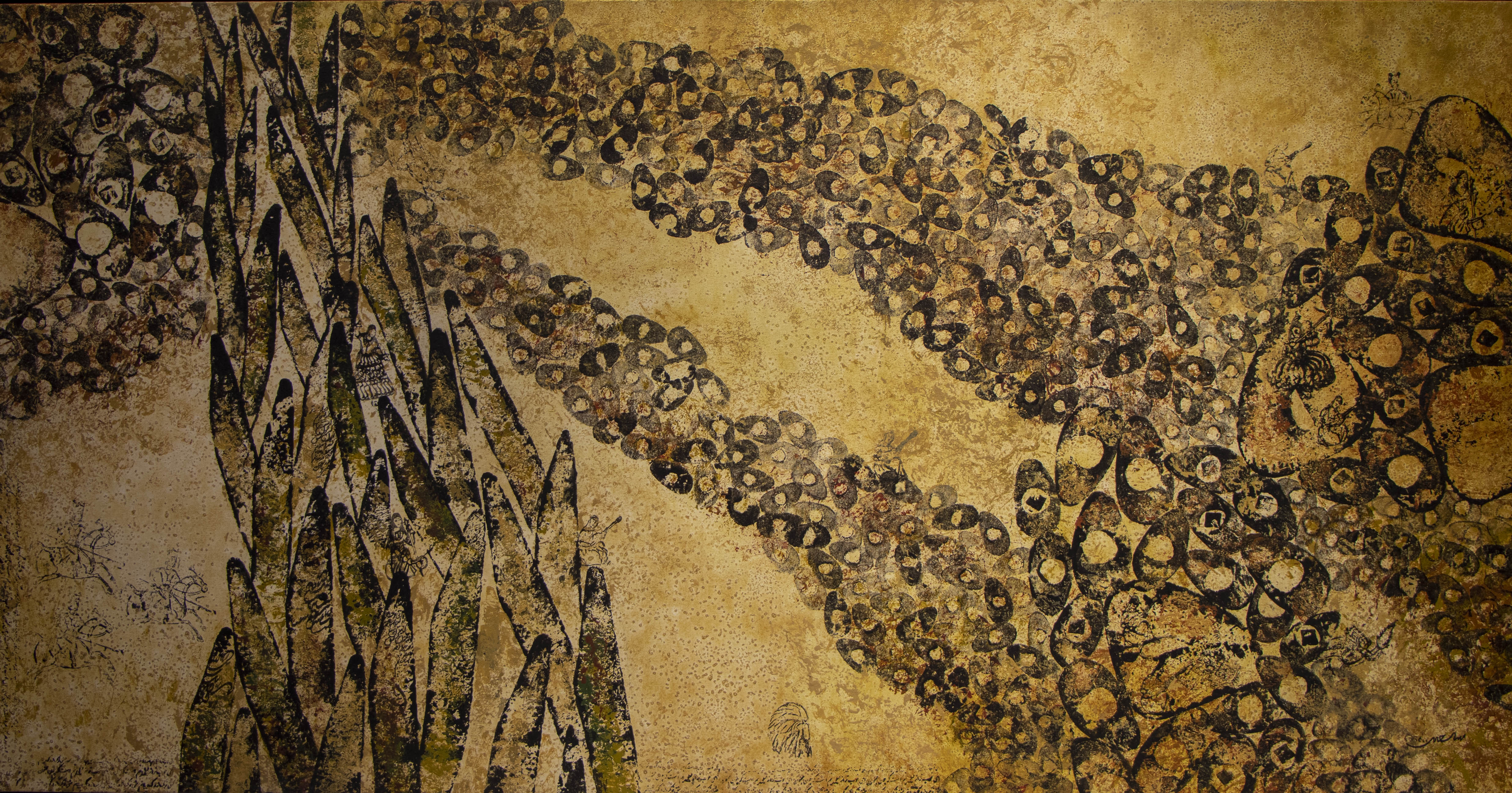
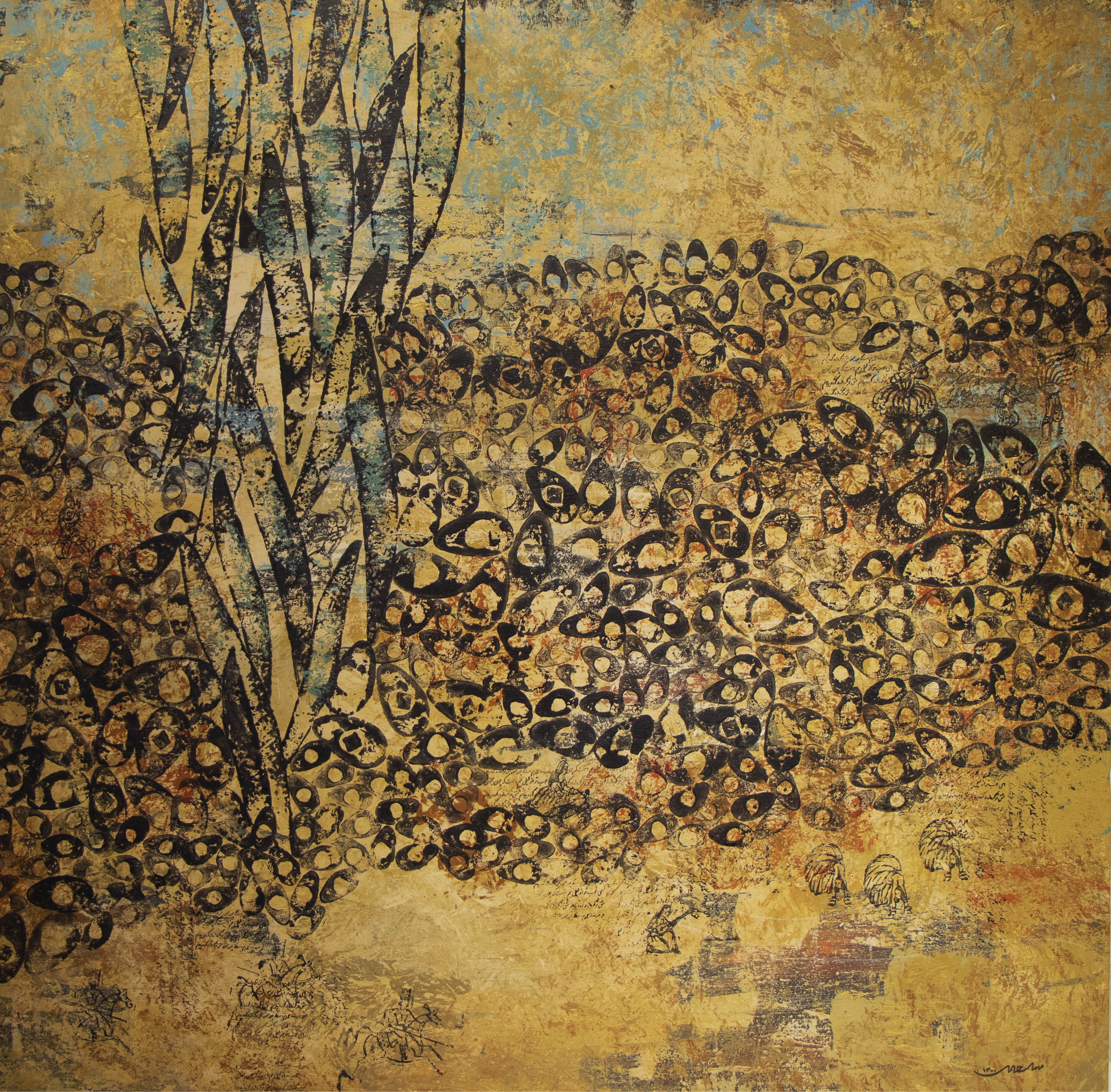
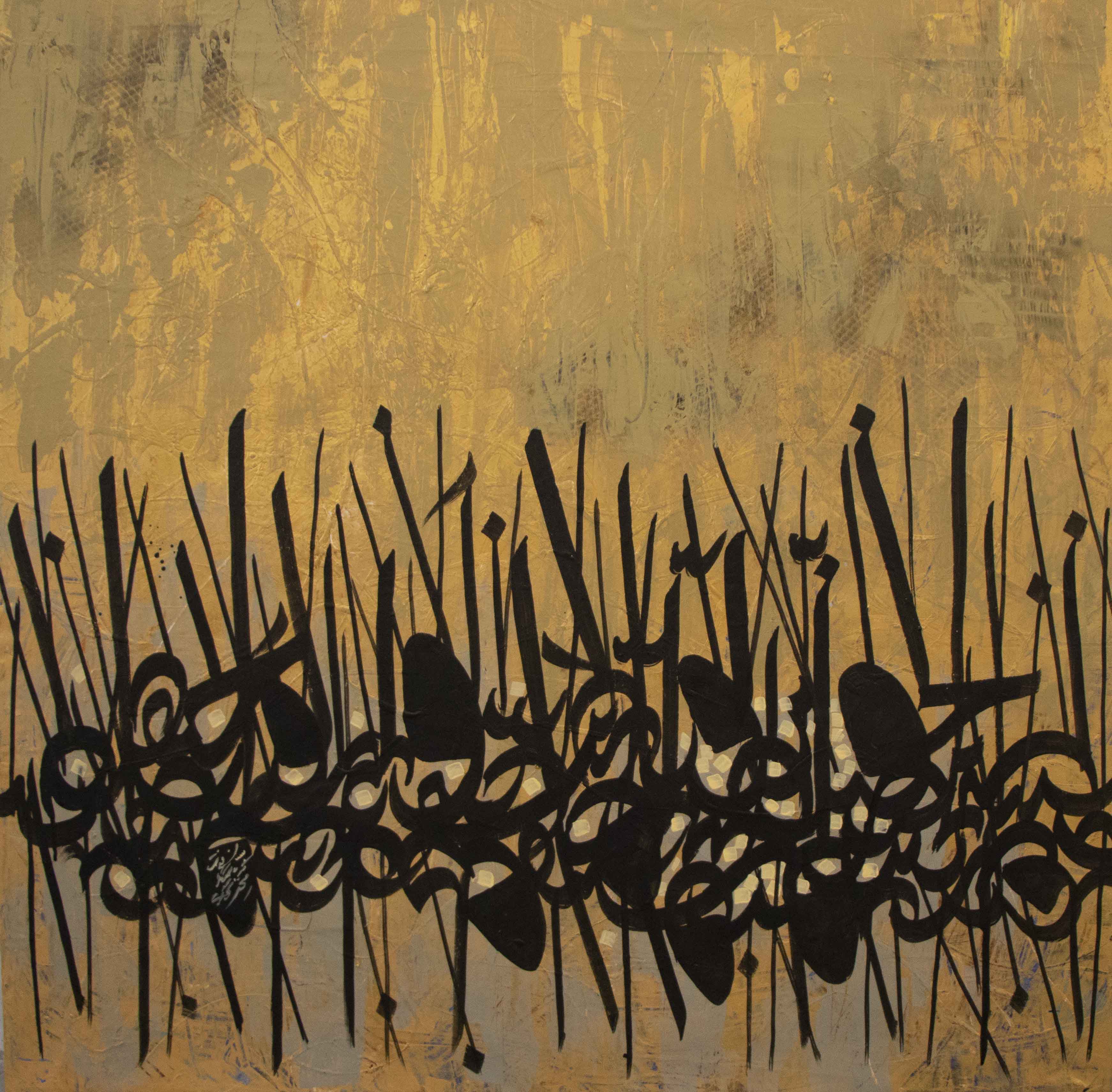
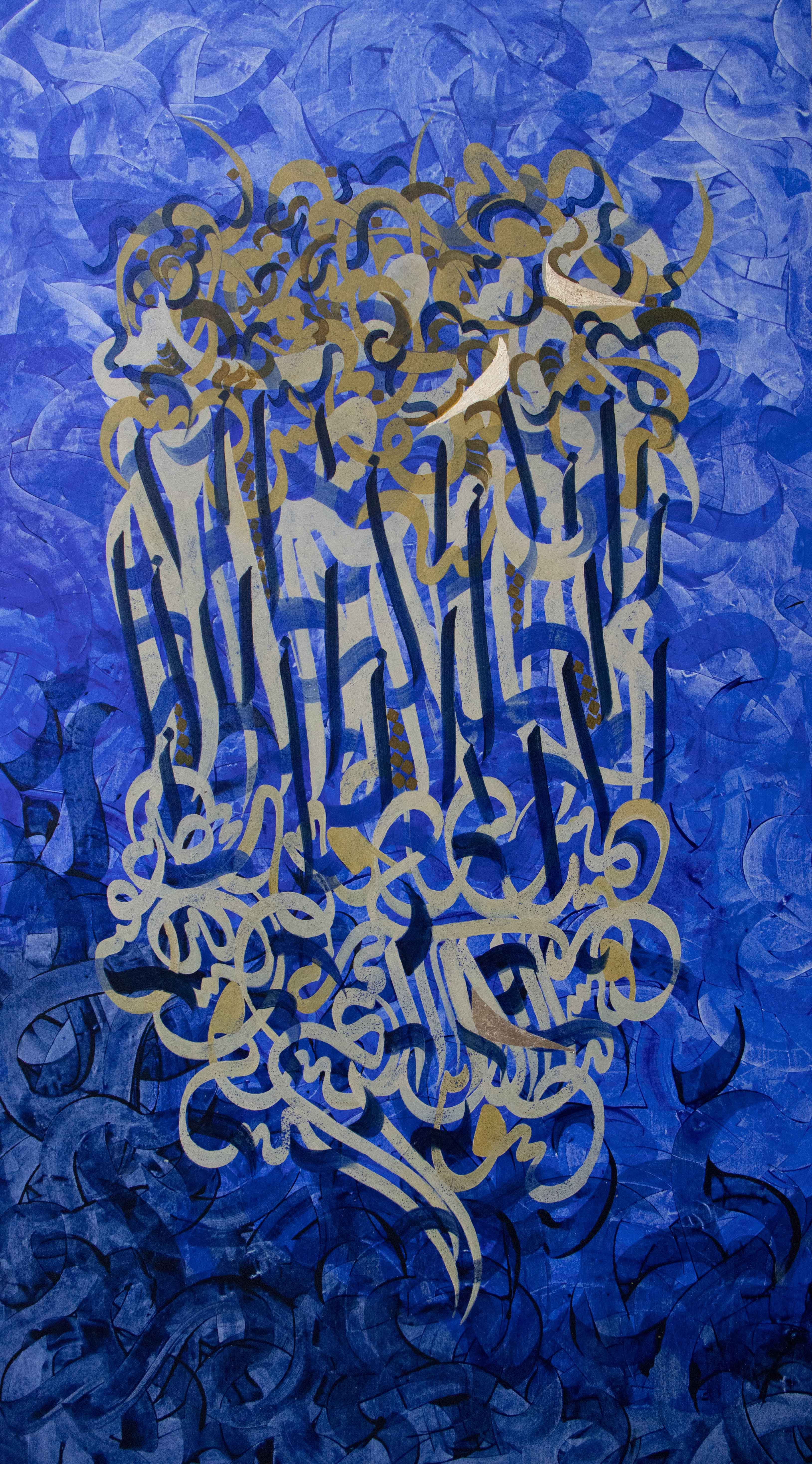
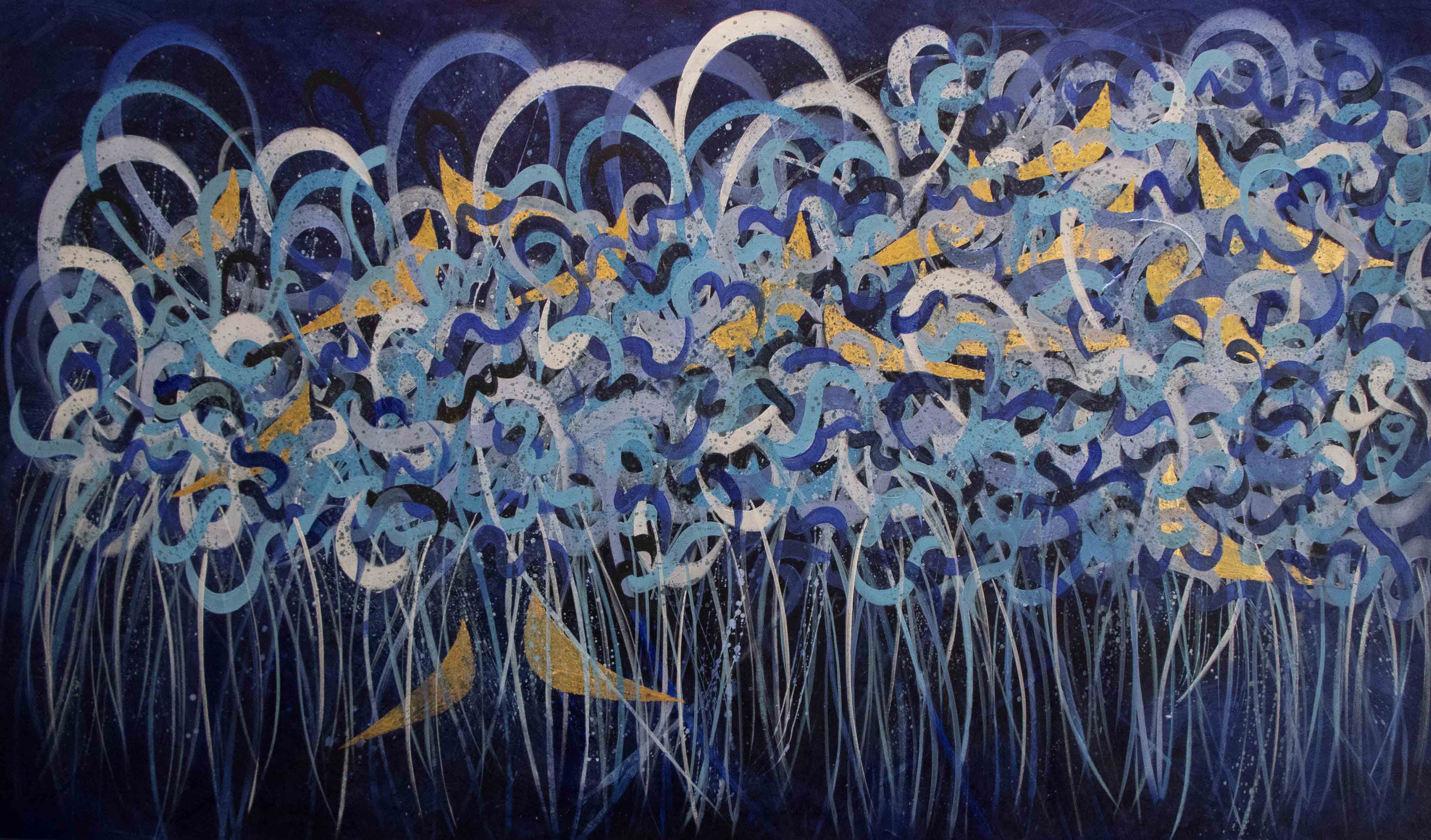
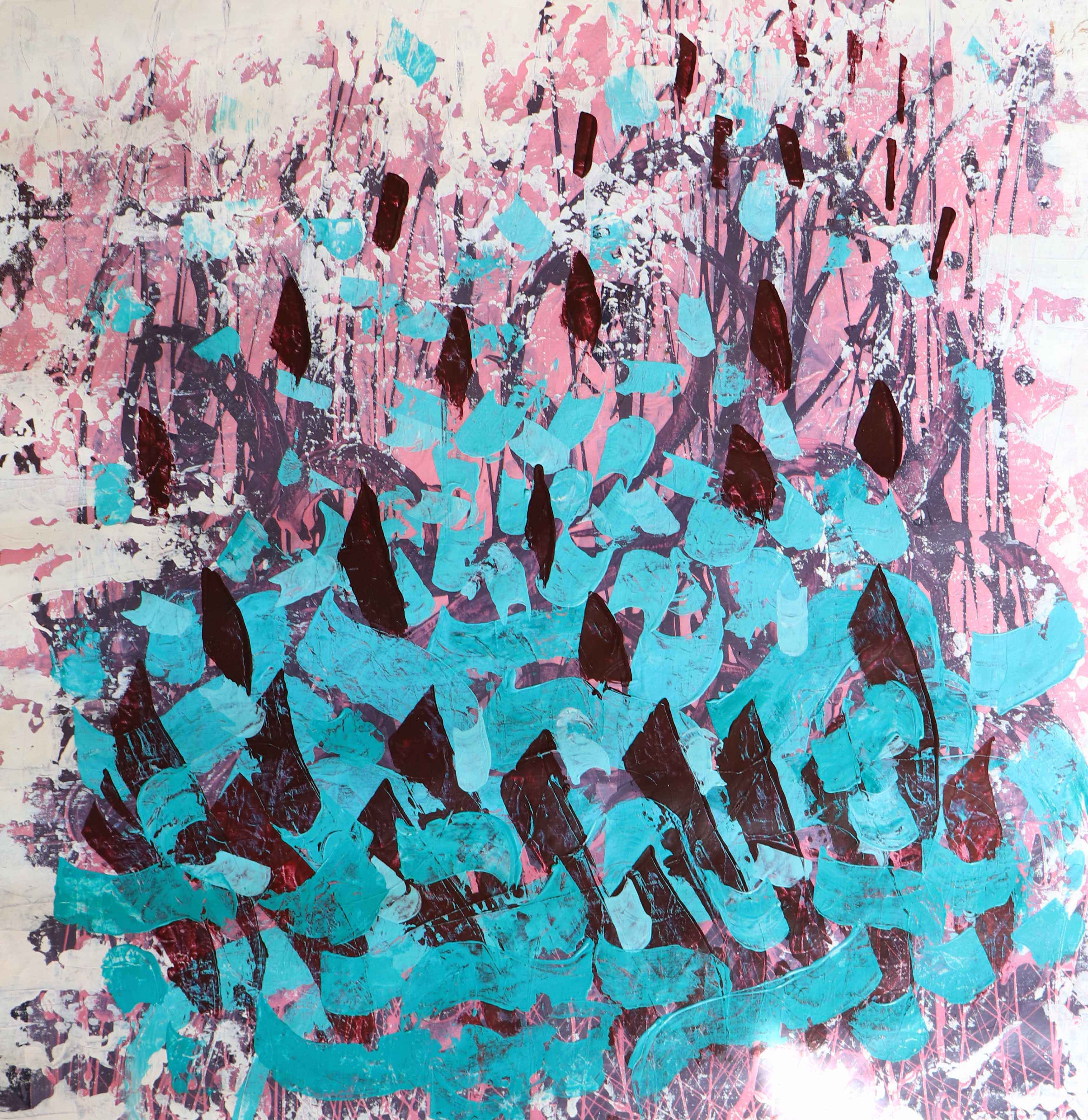
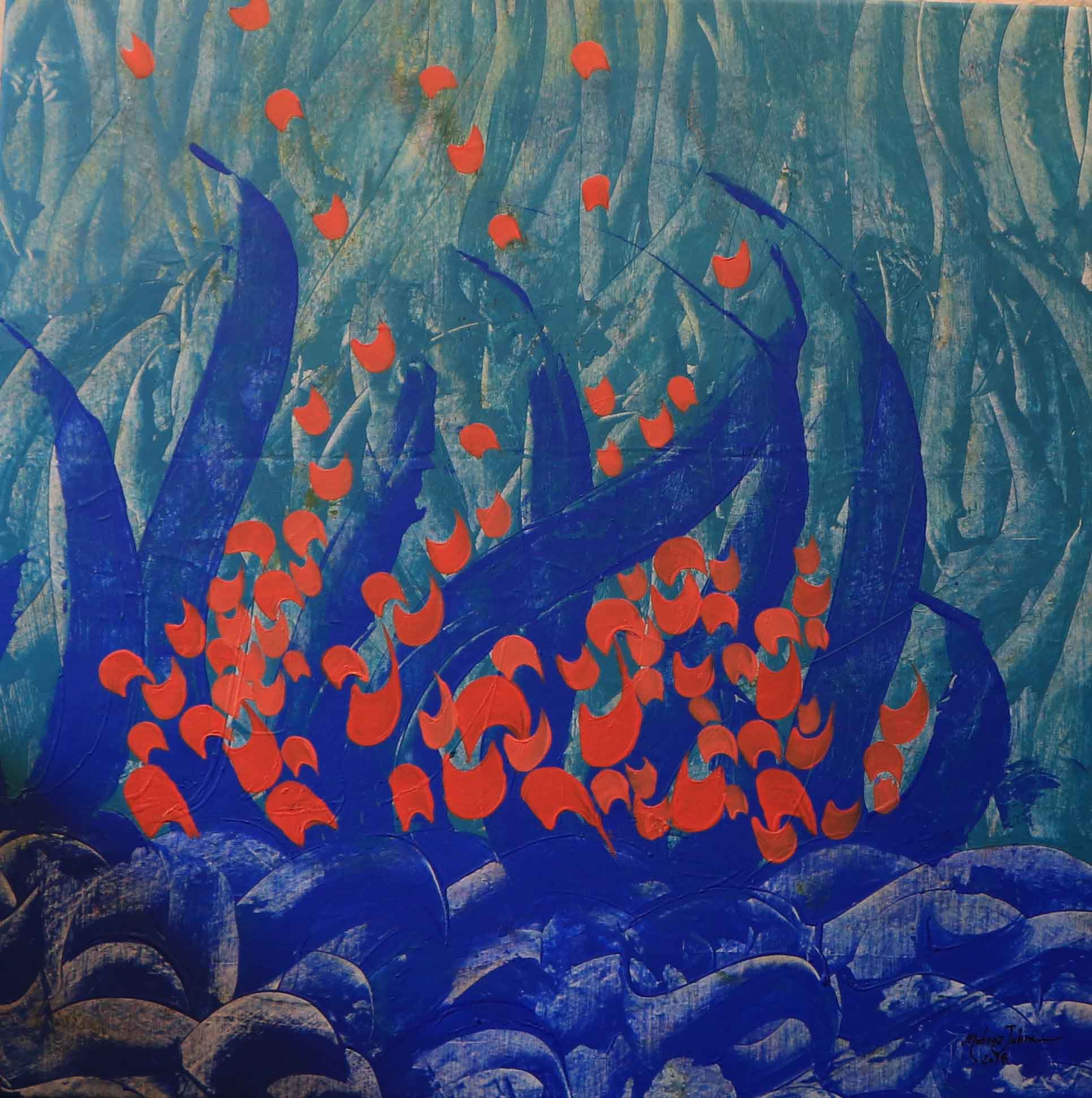
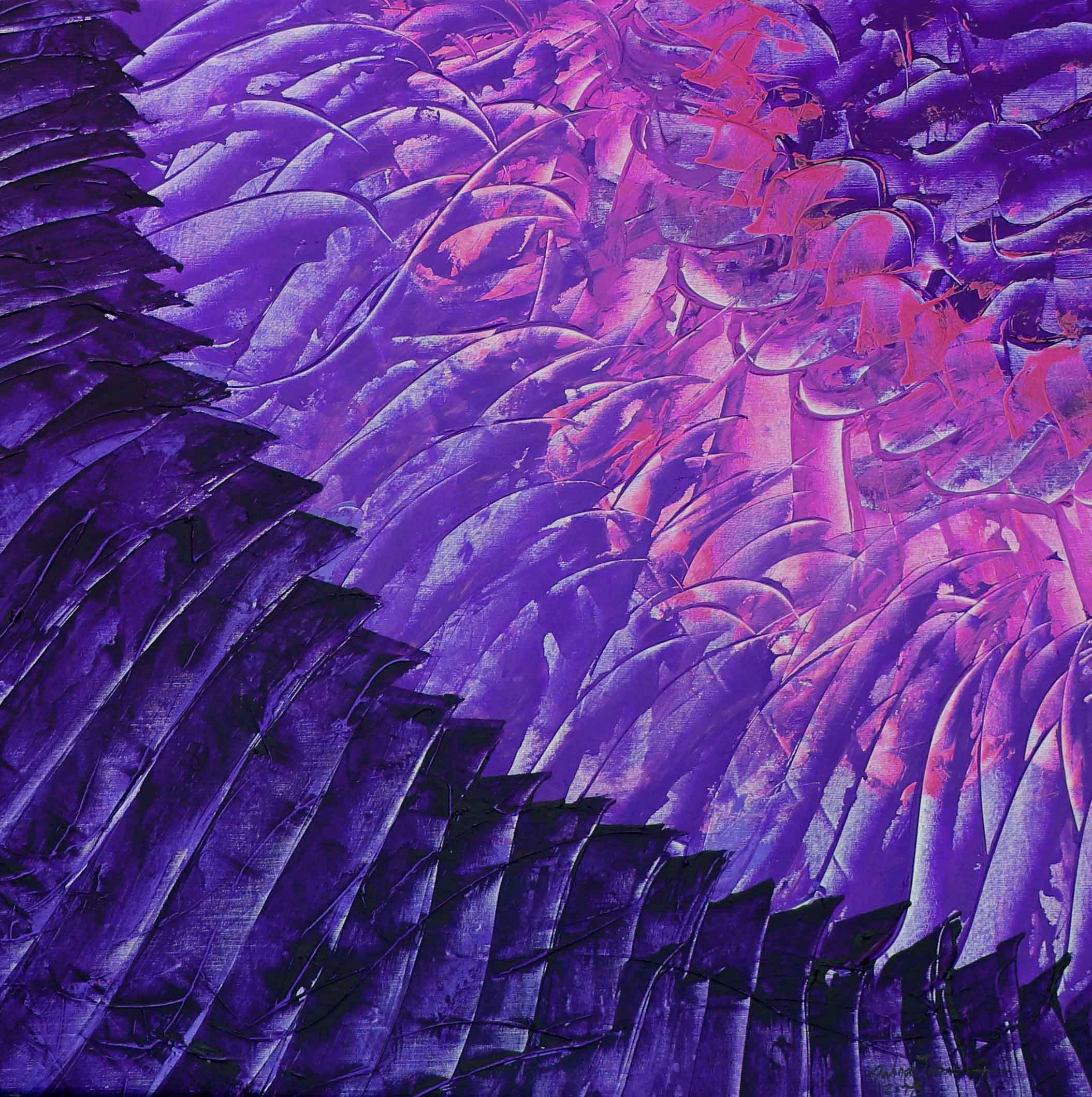
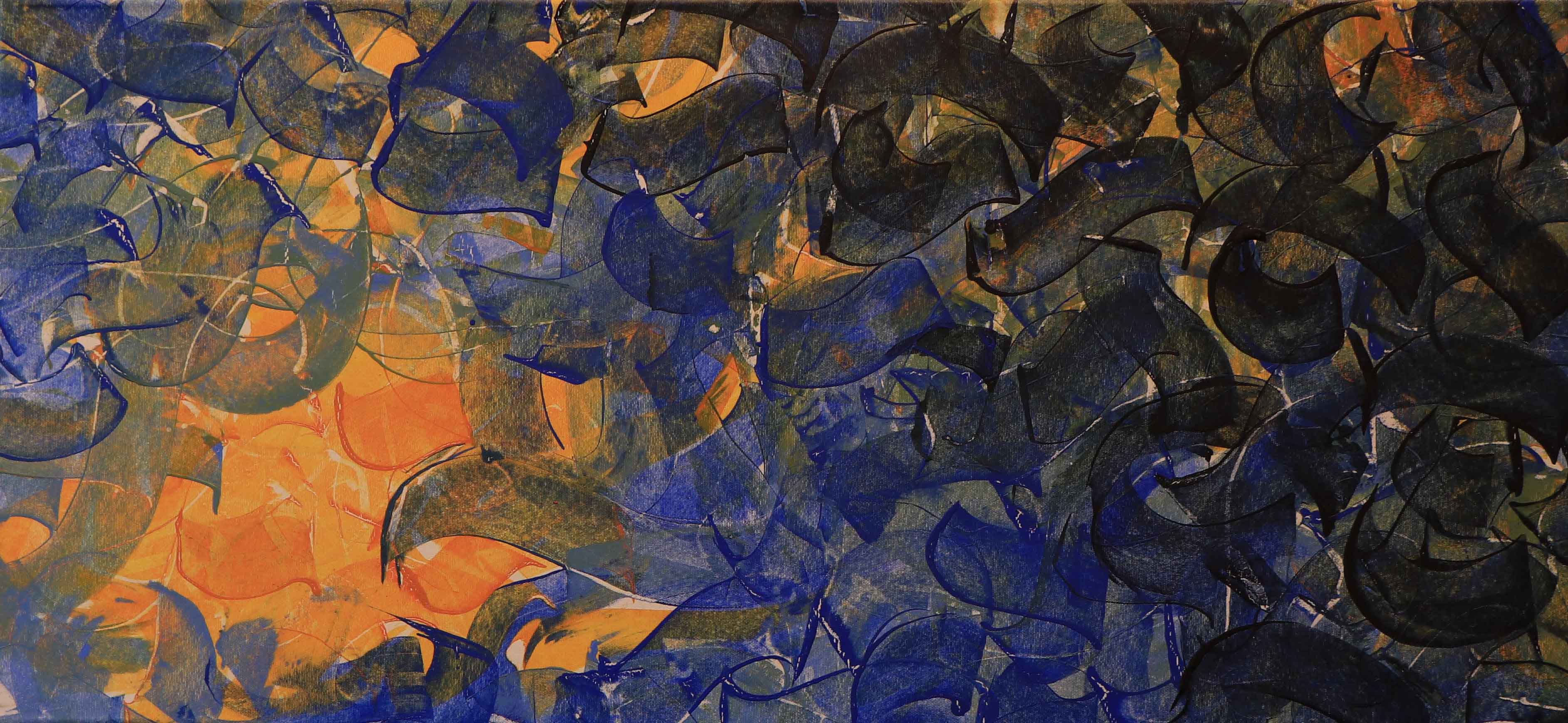
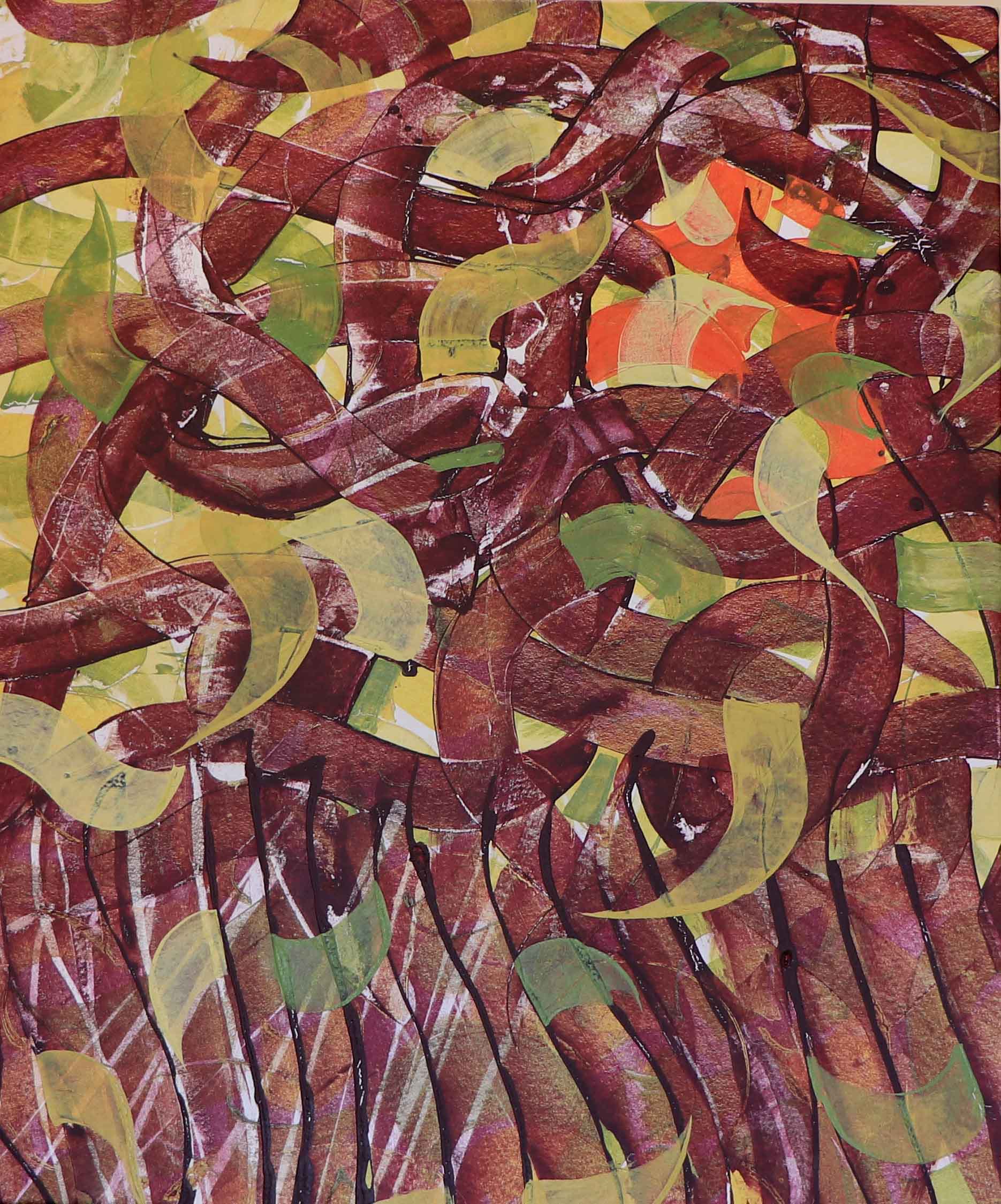
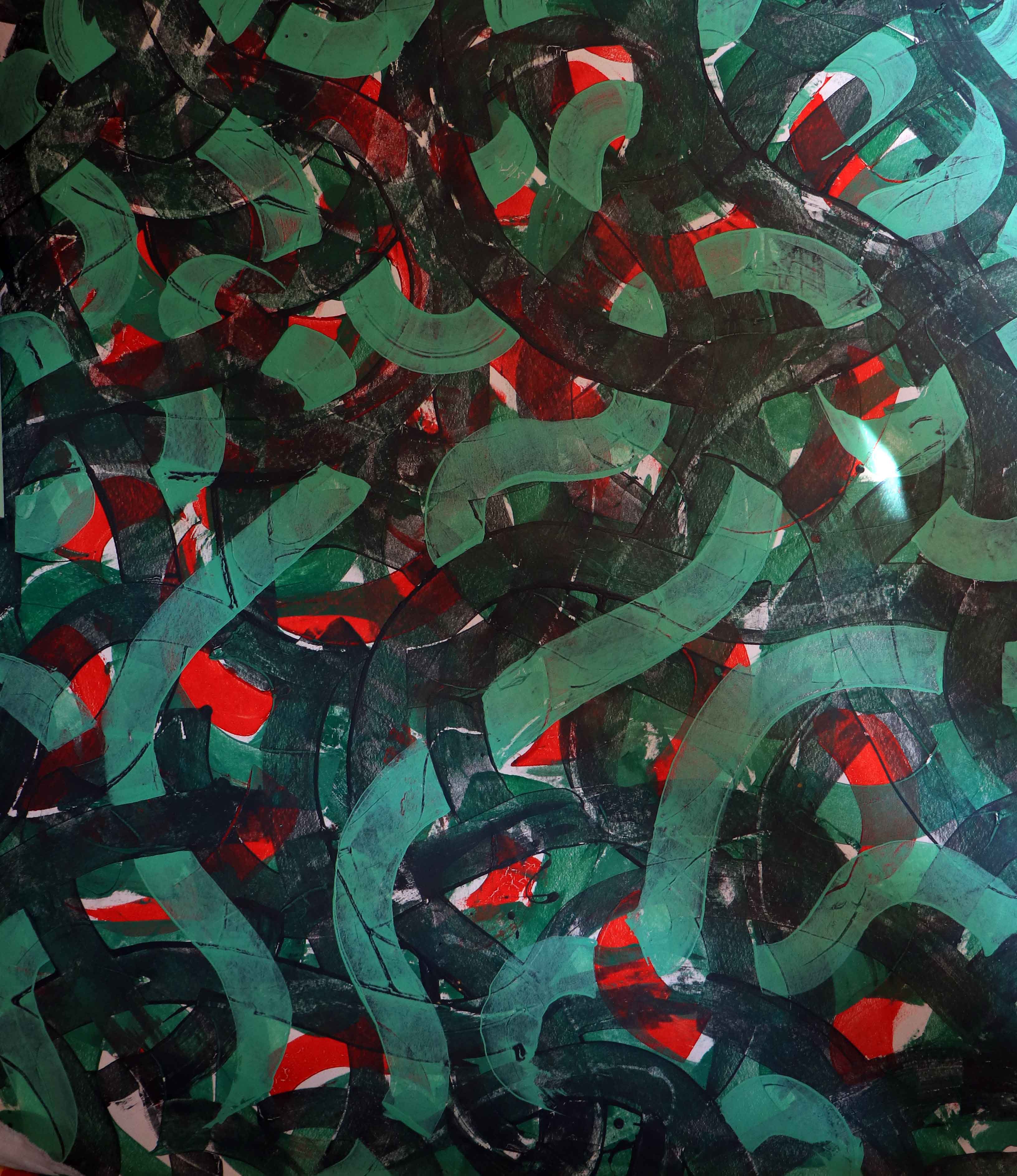
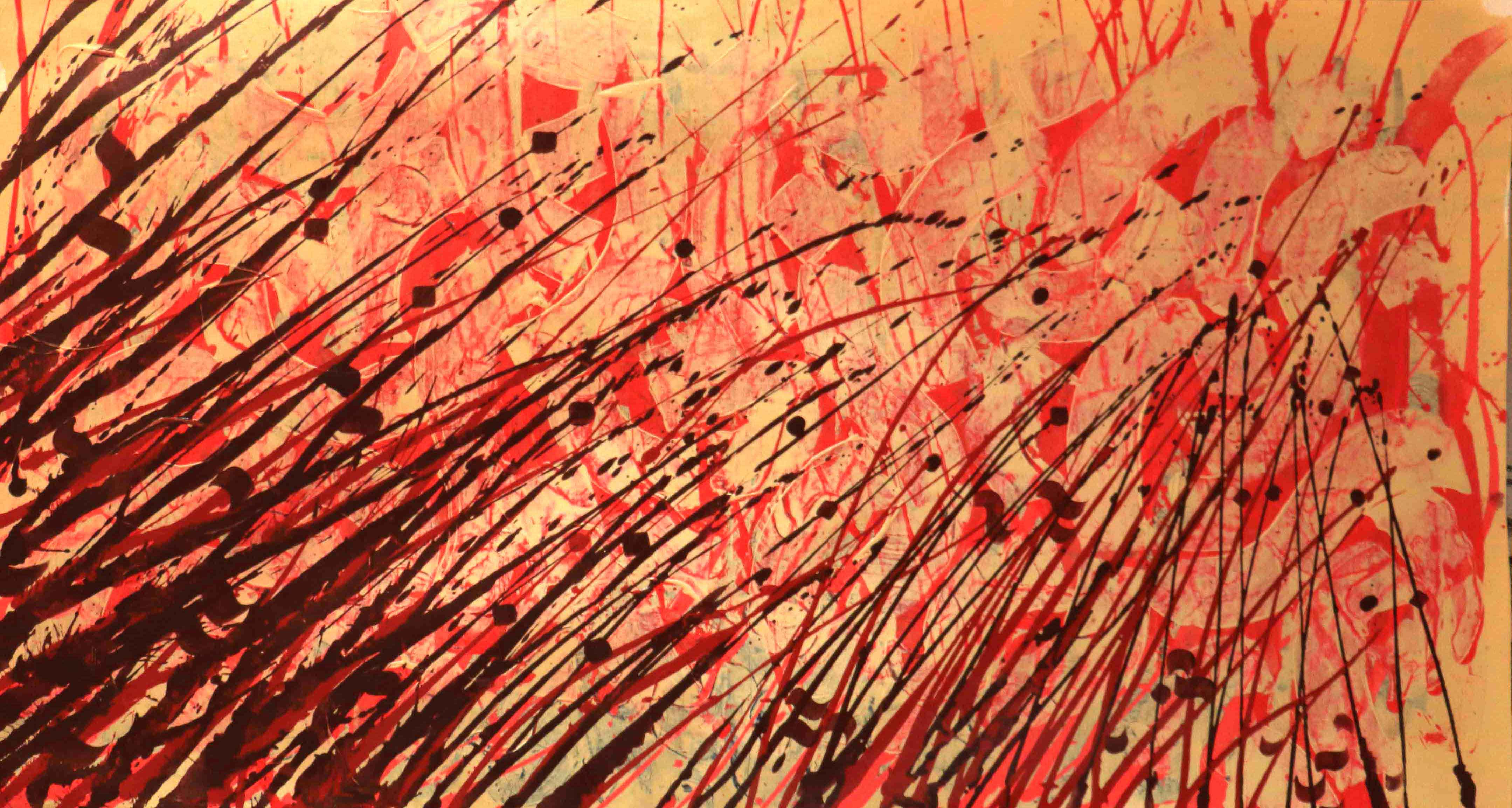
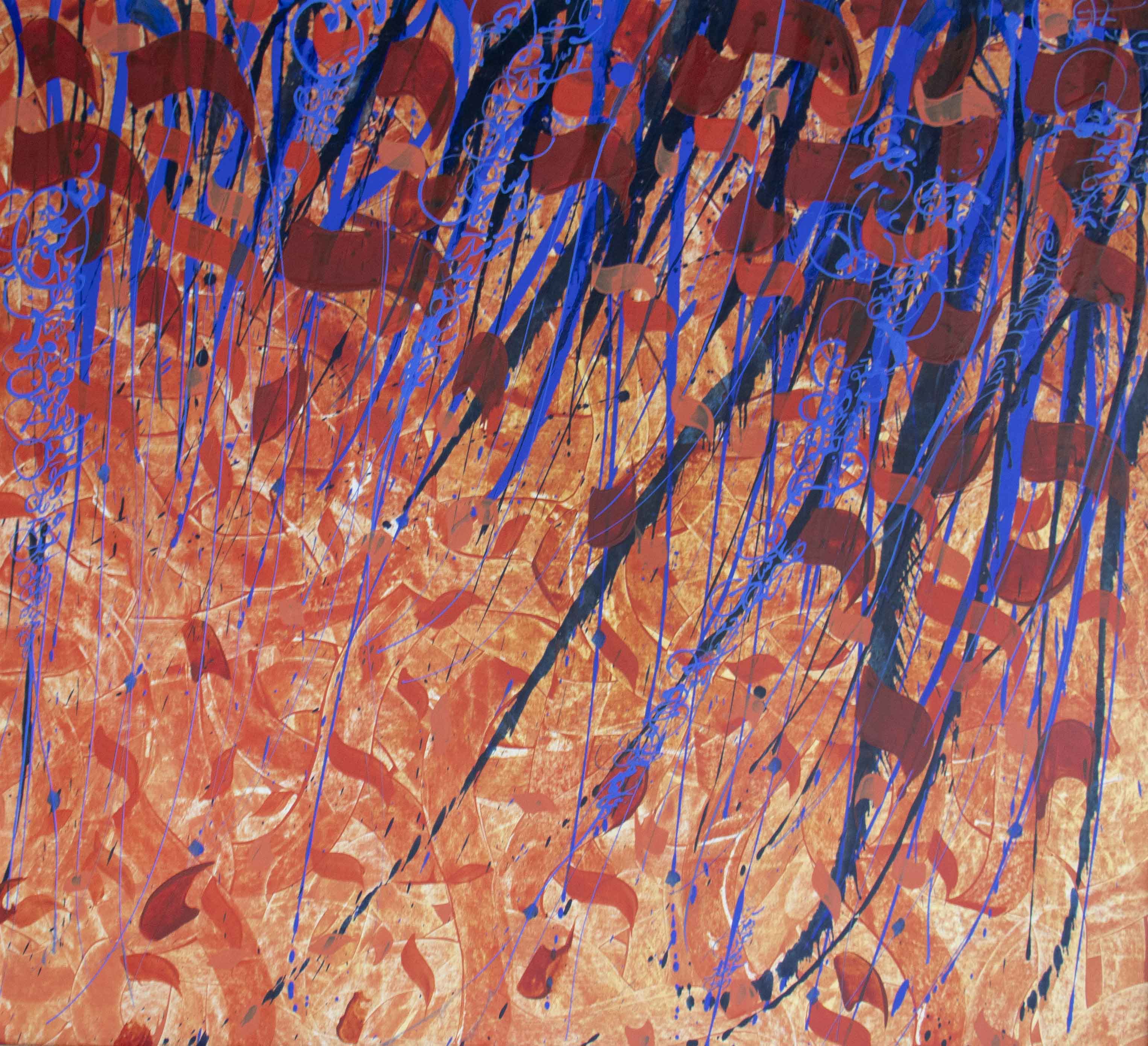
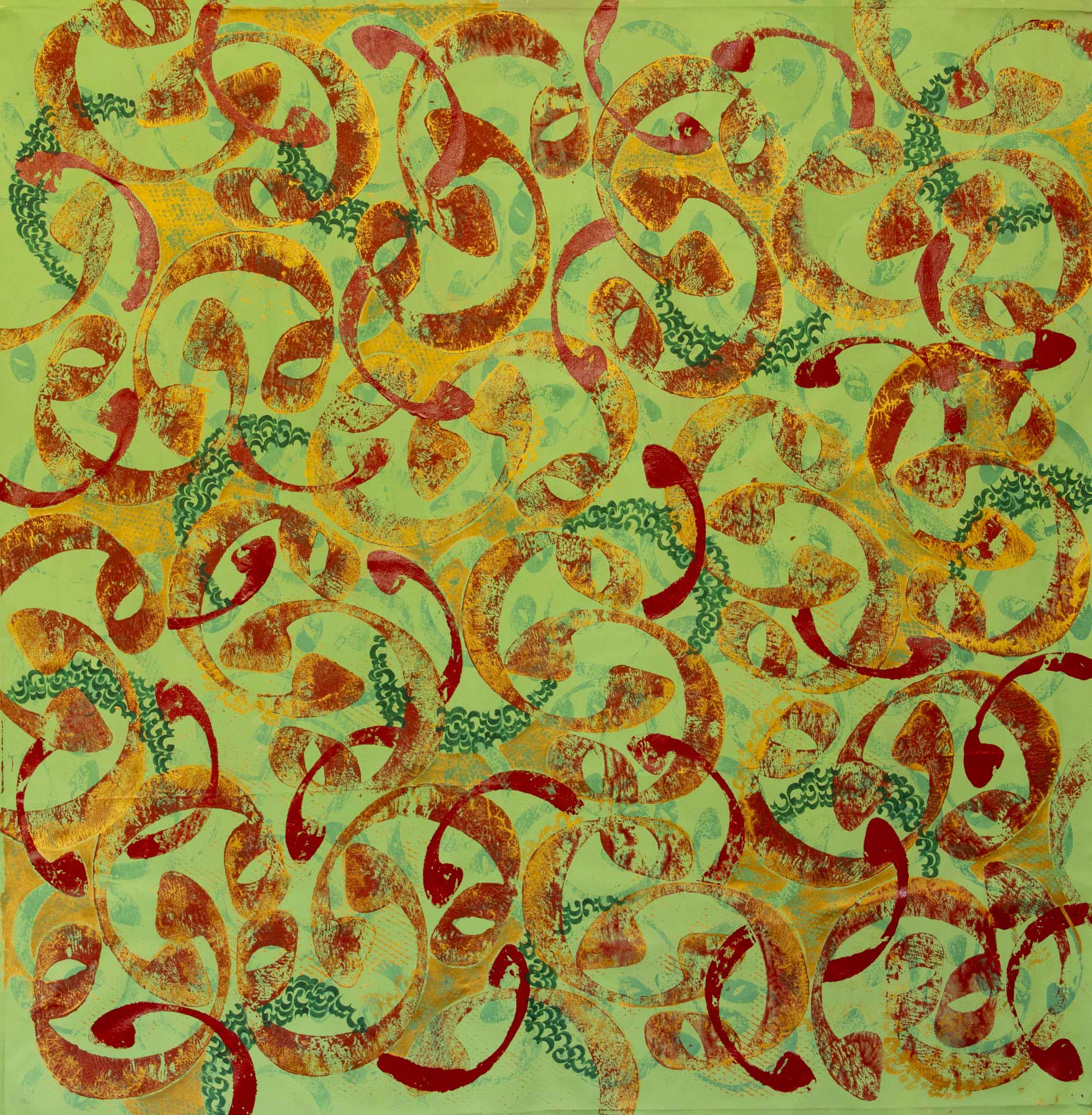
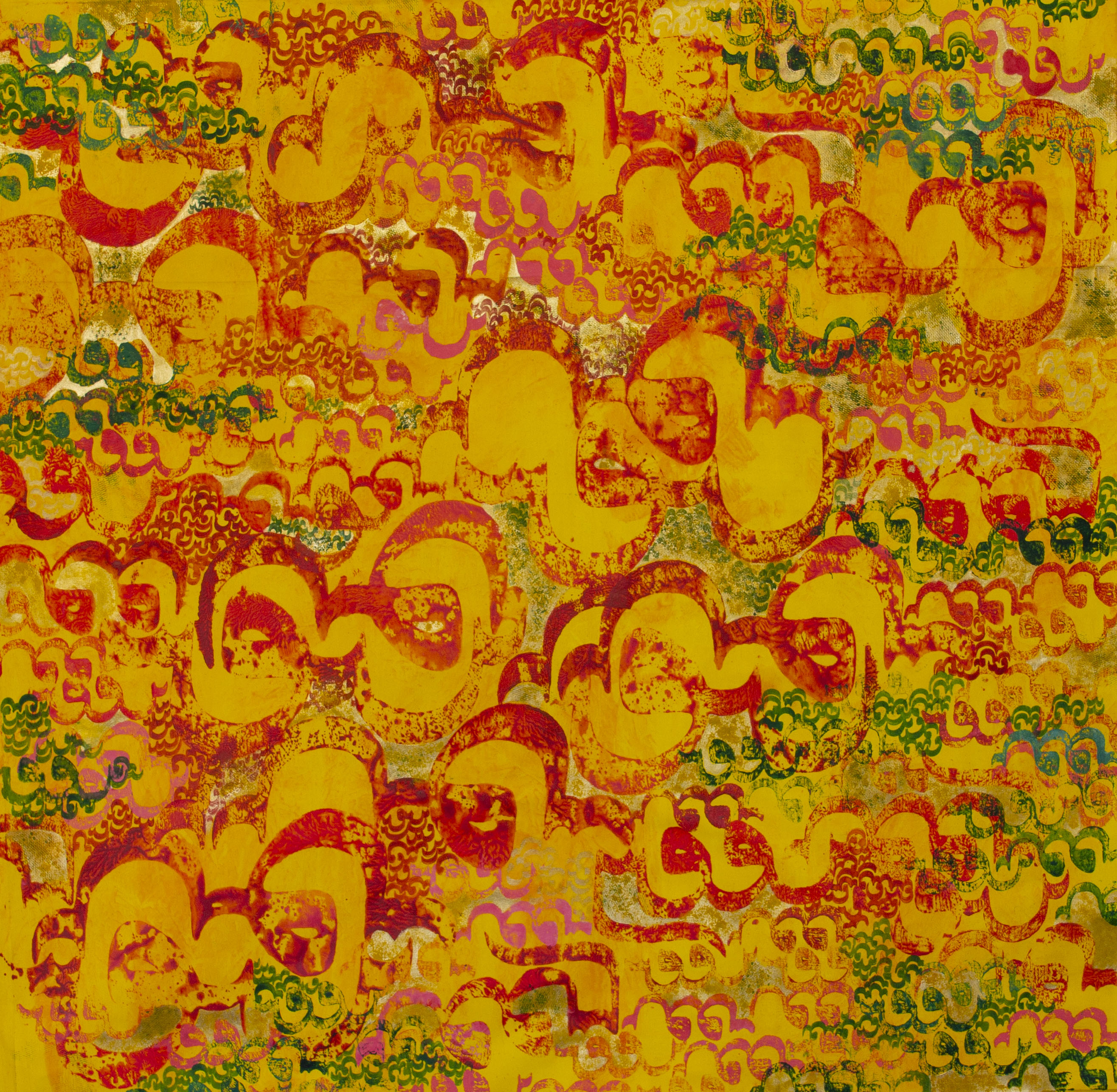
This series is inspired by the romantic literature of Layla and Majnun, narrating a love full of twists and turns across the vastness of the desert.
These two letters represent the intertwining of the two lovers—a presence that continually oscillates between union and absence, like footprints in the desert sands.
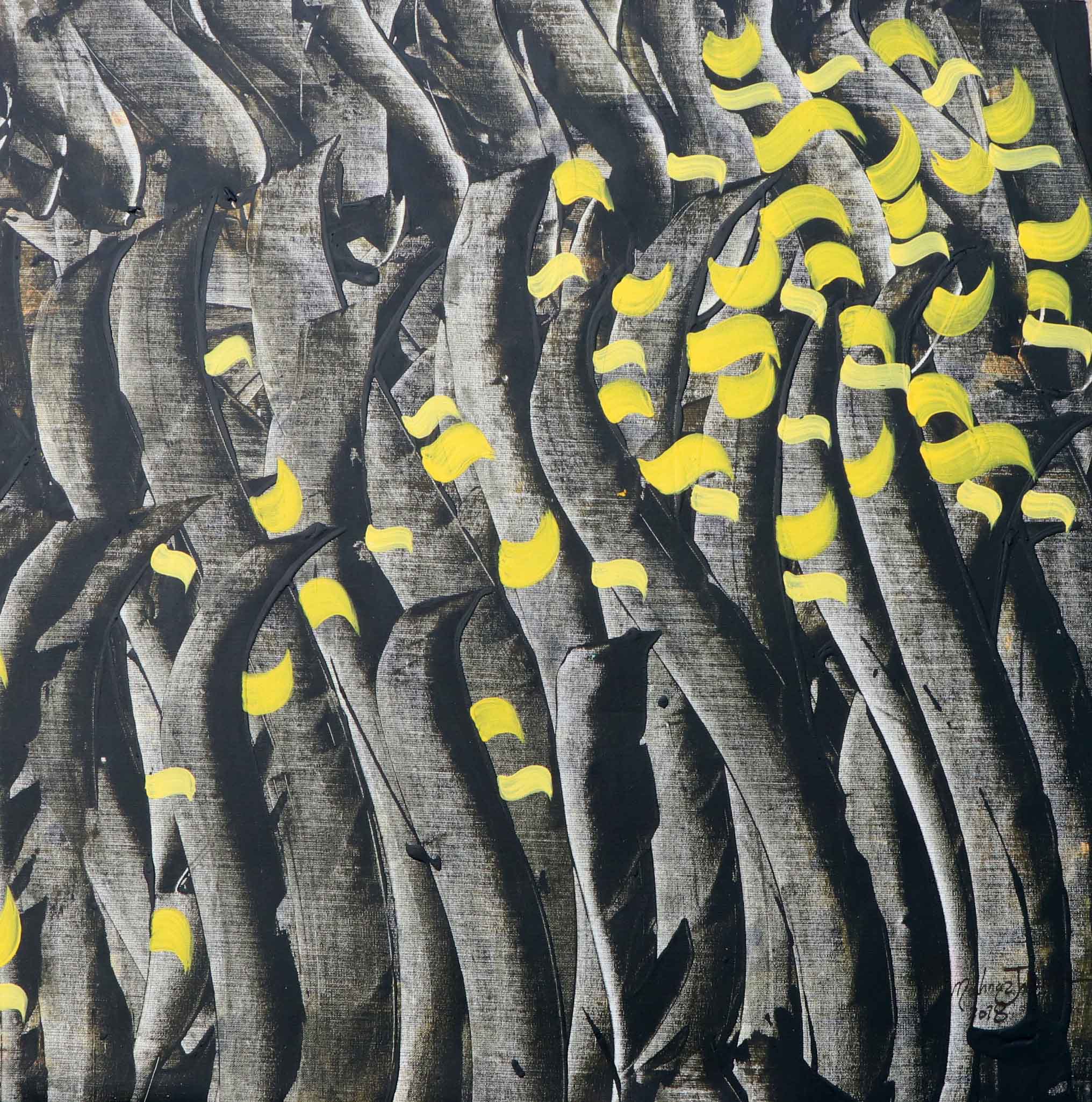
Dense Jungle
Nature sound
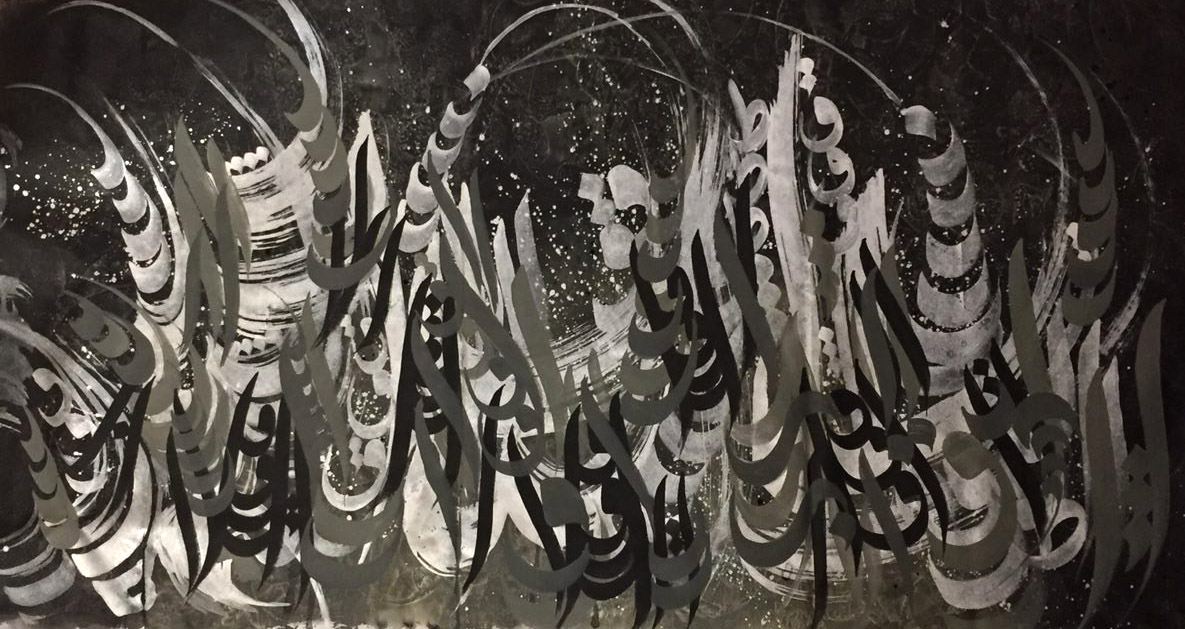
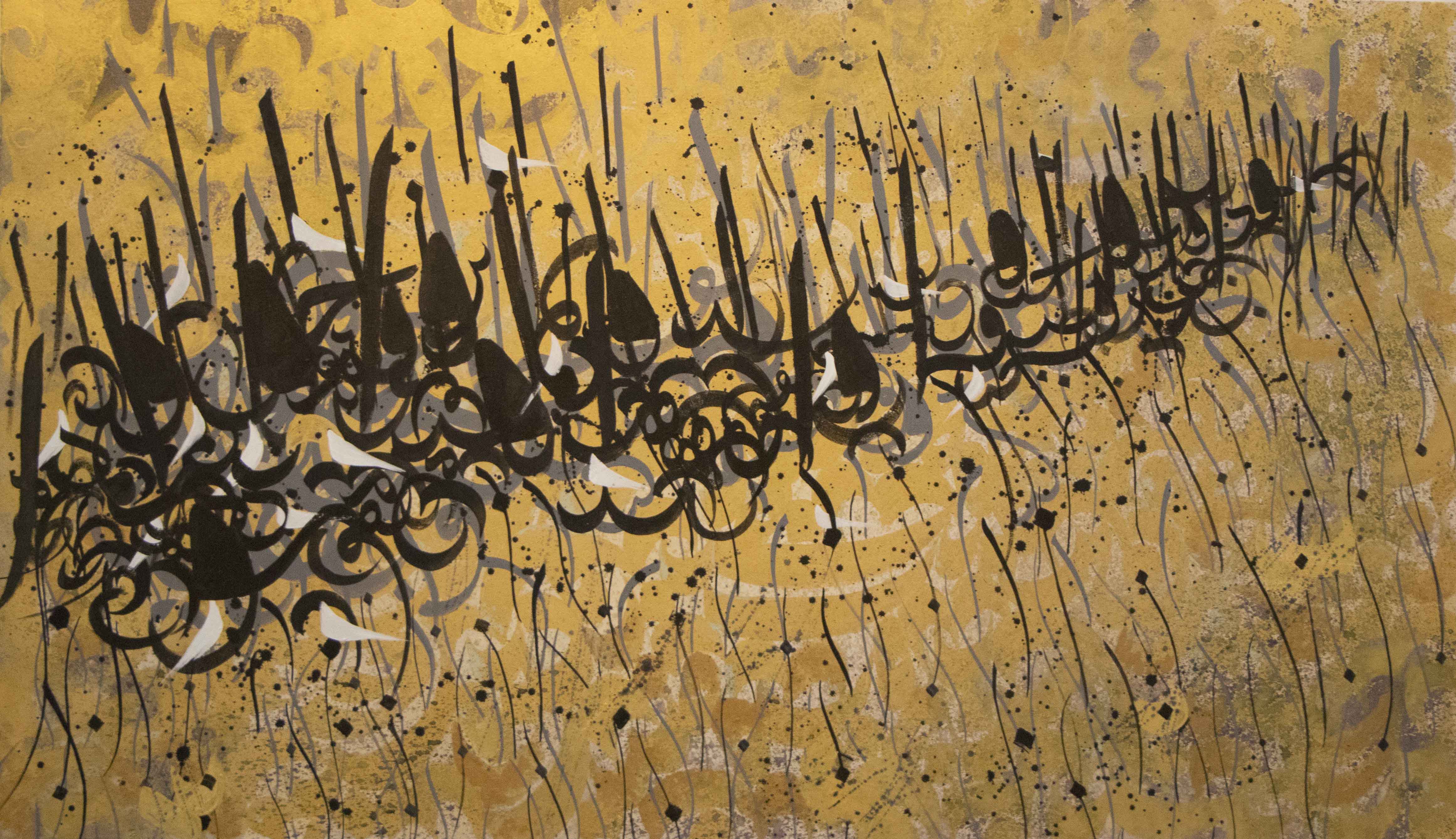
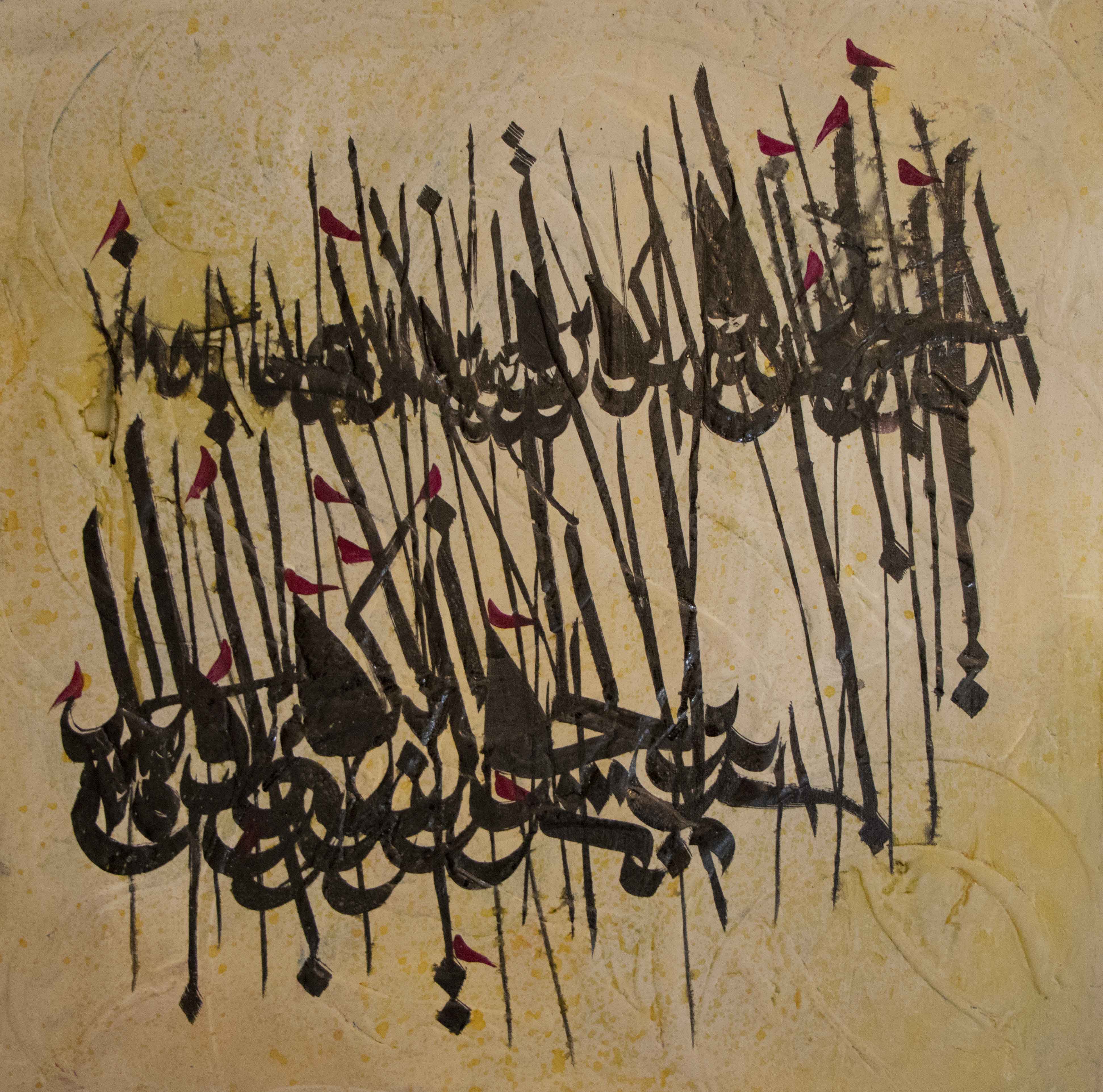
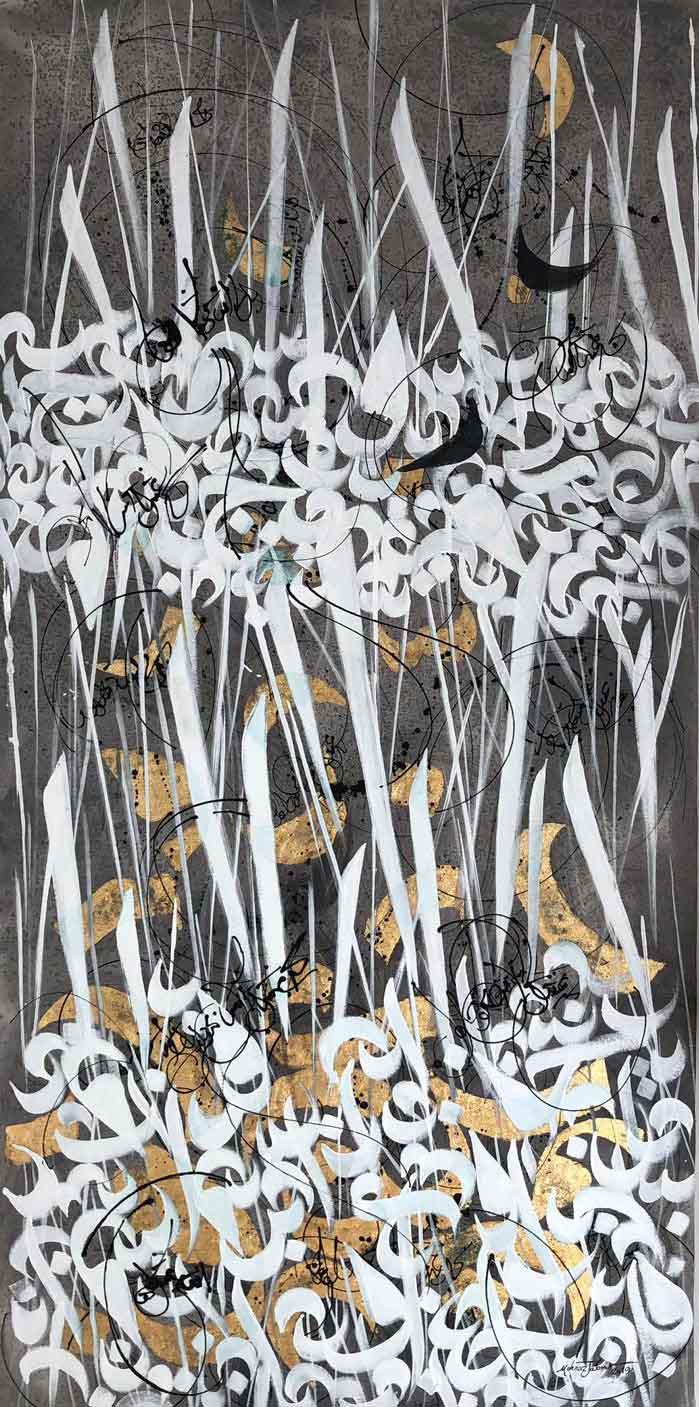
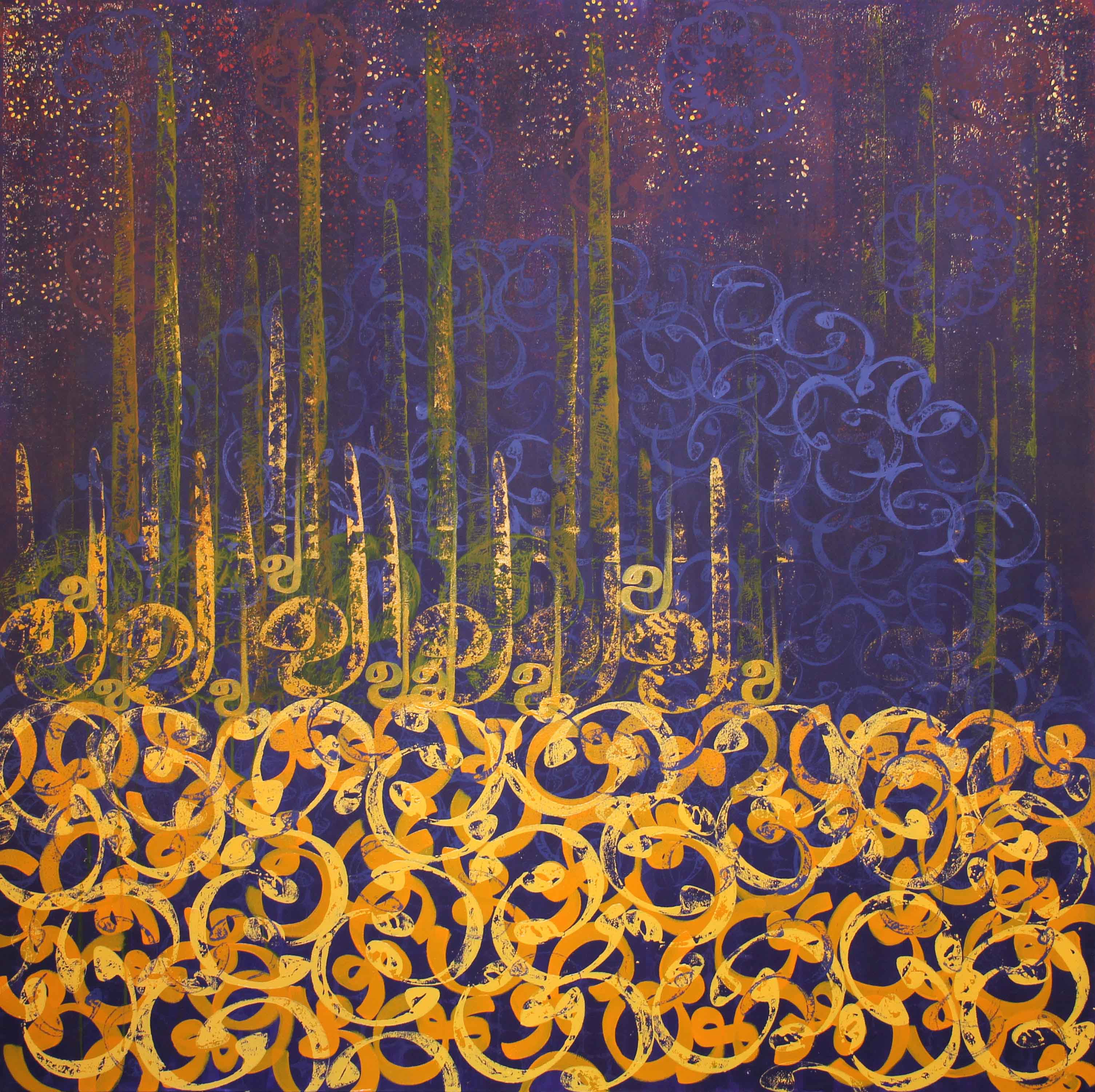
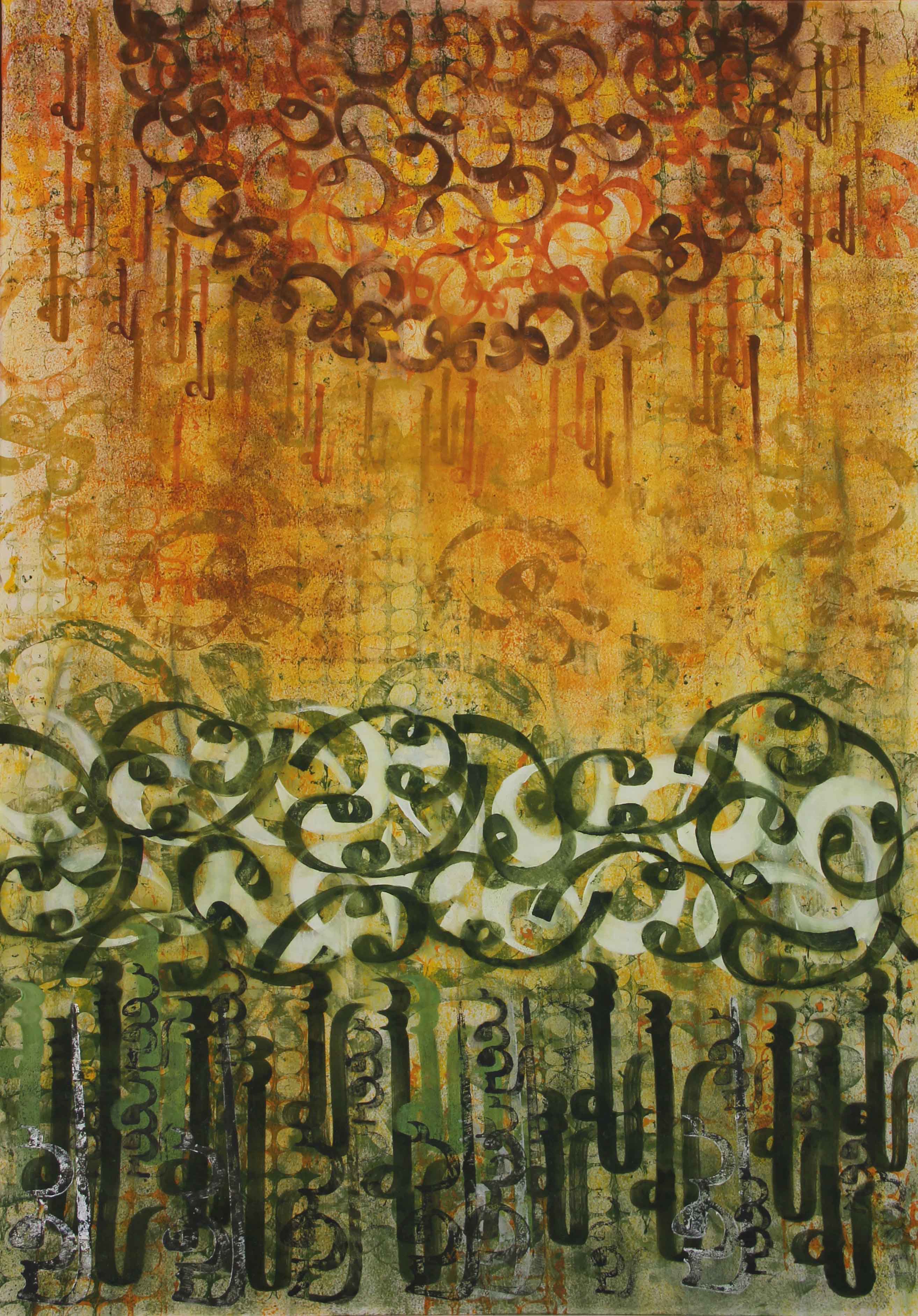
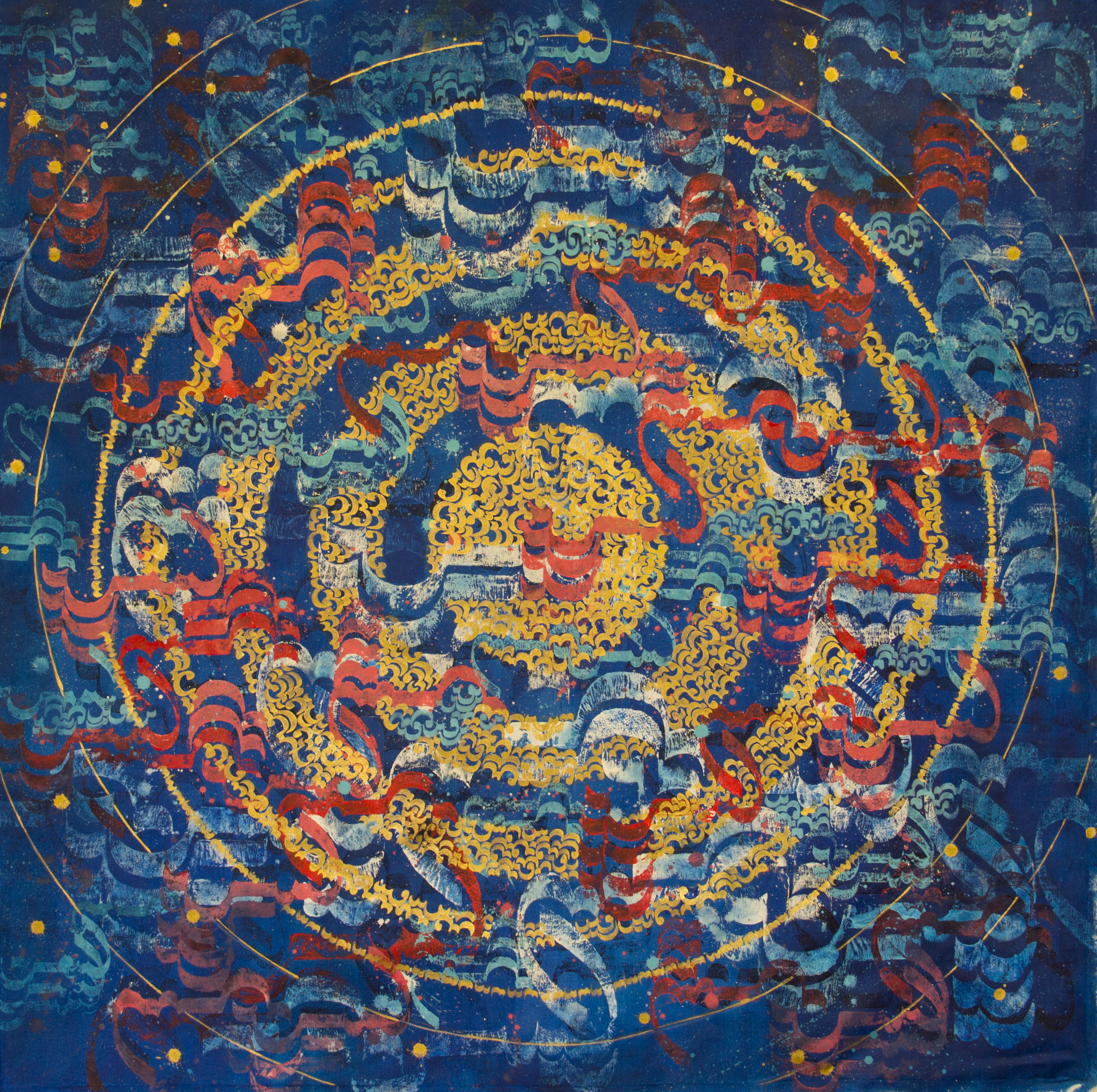
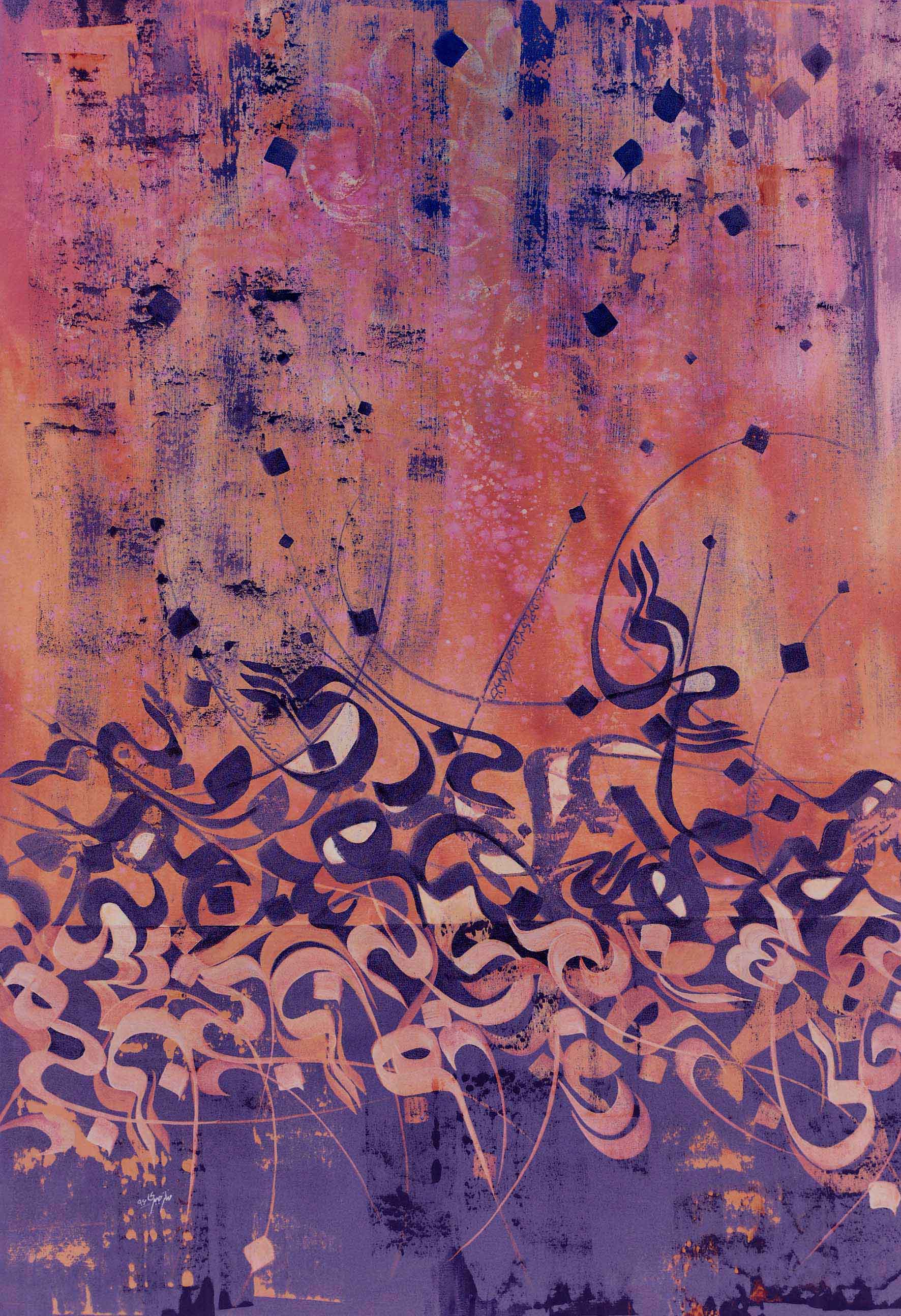
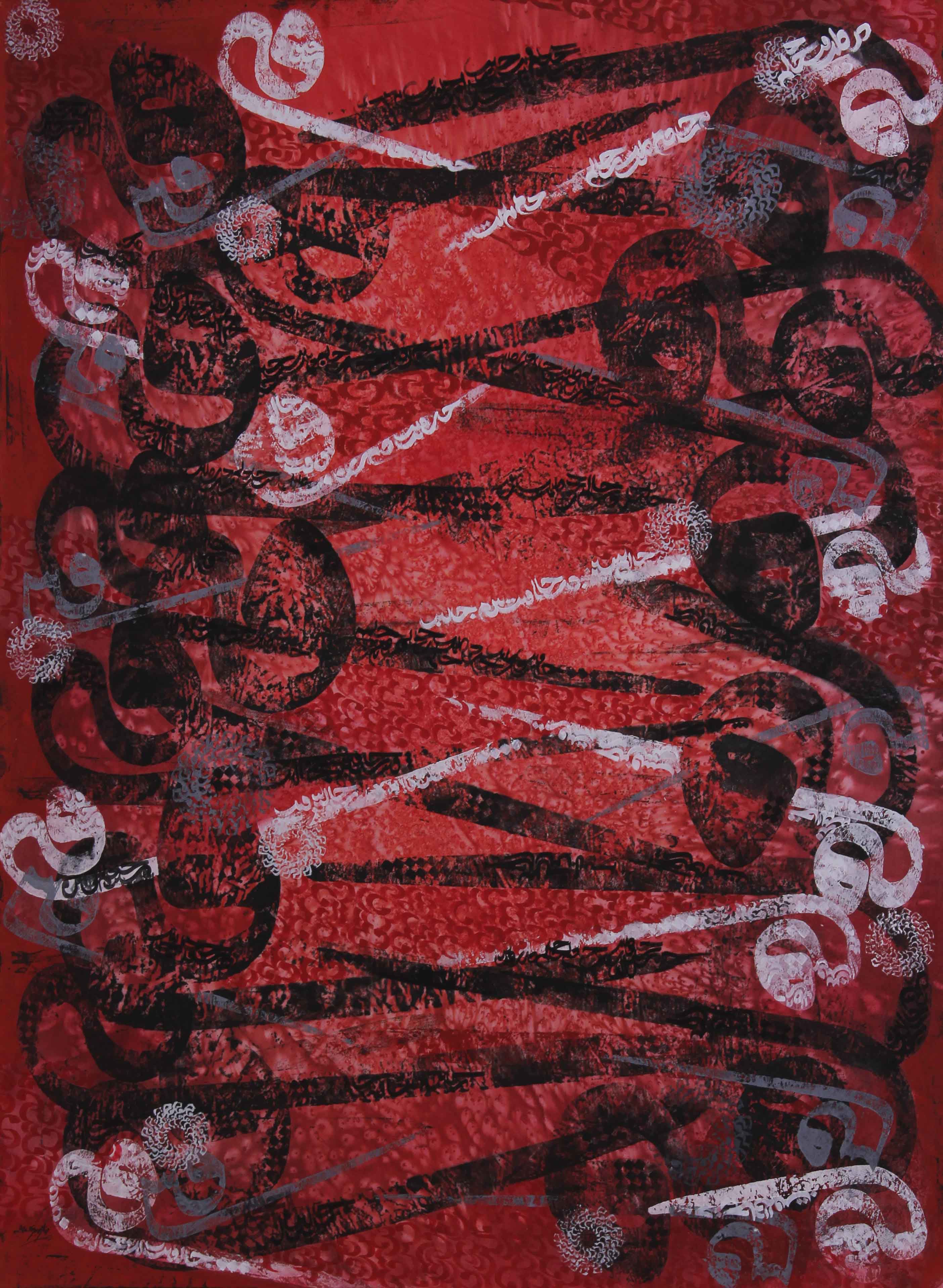
This body of work emerges from an exploration of the aesthetic structure of Iranian calligraphy and the tradition of Siah Mashq. In this practice, writing moves beyond its semantic function and becomes a visual, bodily, and temporal act. Through repetition and the juxtaposition of letters, legibility gradually dissolves, allowing script to transform into image, rhythm, and presence.
The accumulation and continuity of letters create an experience of time, movement, and contemplation. In this process, Siah Mashq becomes a space for memory and pause—a quiet form of resistance against visual consumerism and the contemporary crisis of beauty.
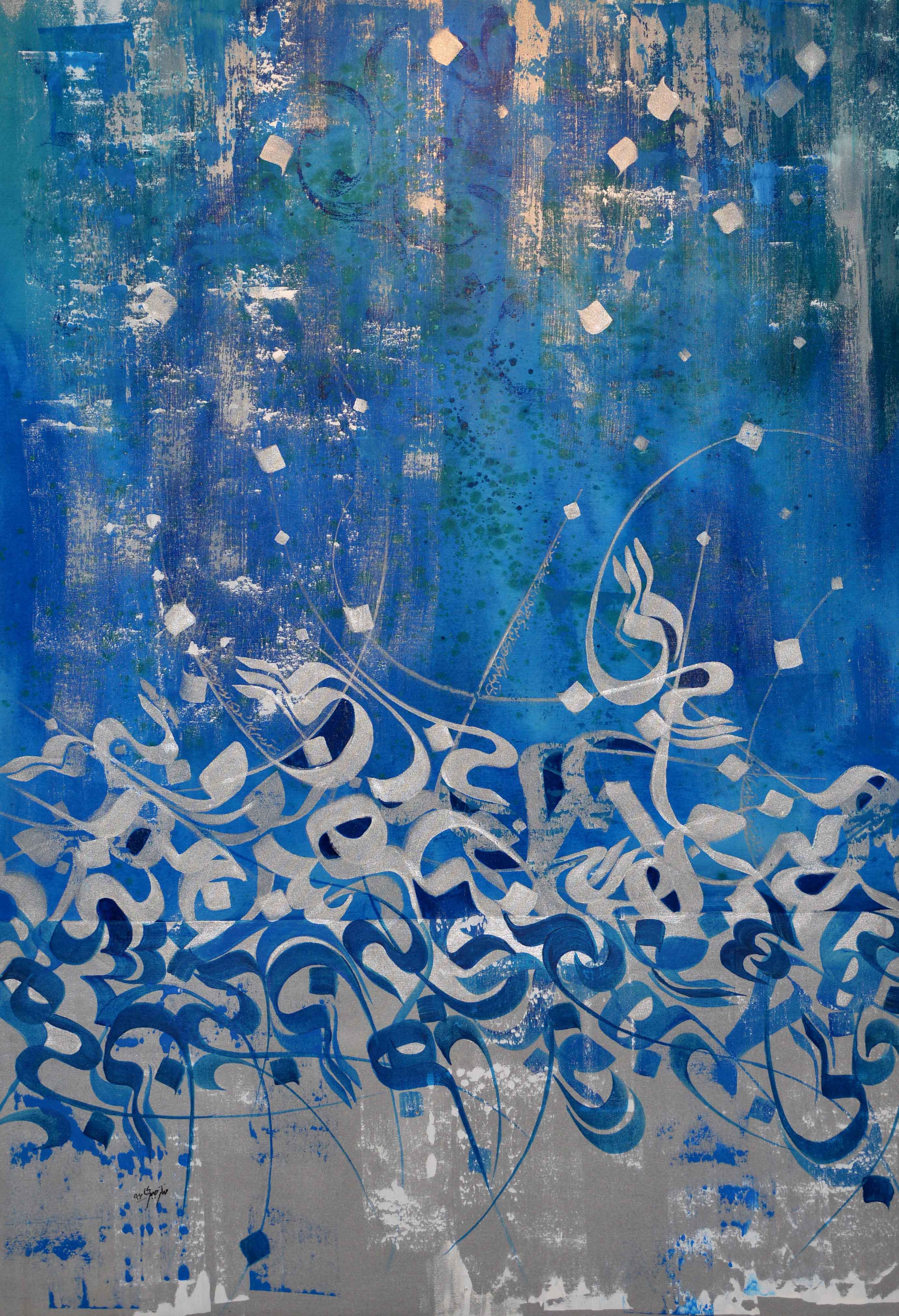
Using repeated letterforms, this series seeks a connection between calligraphy and nature. It invites the viewer to momentarily step away from the acceleration of mechanized life and engage with rhythm, stillness, and beauty. The encounter with these works is shaped not through reading, but through seeing, sensing, and synchronizing with the visual cadence of the image.
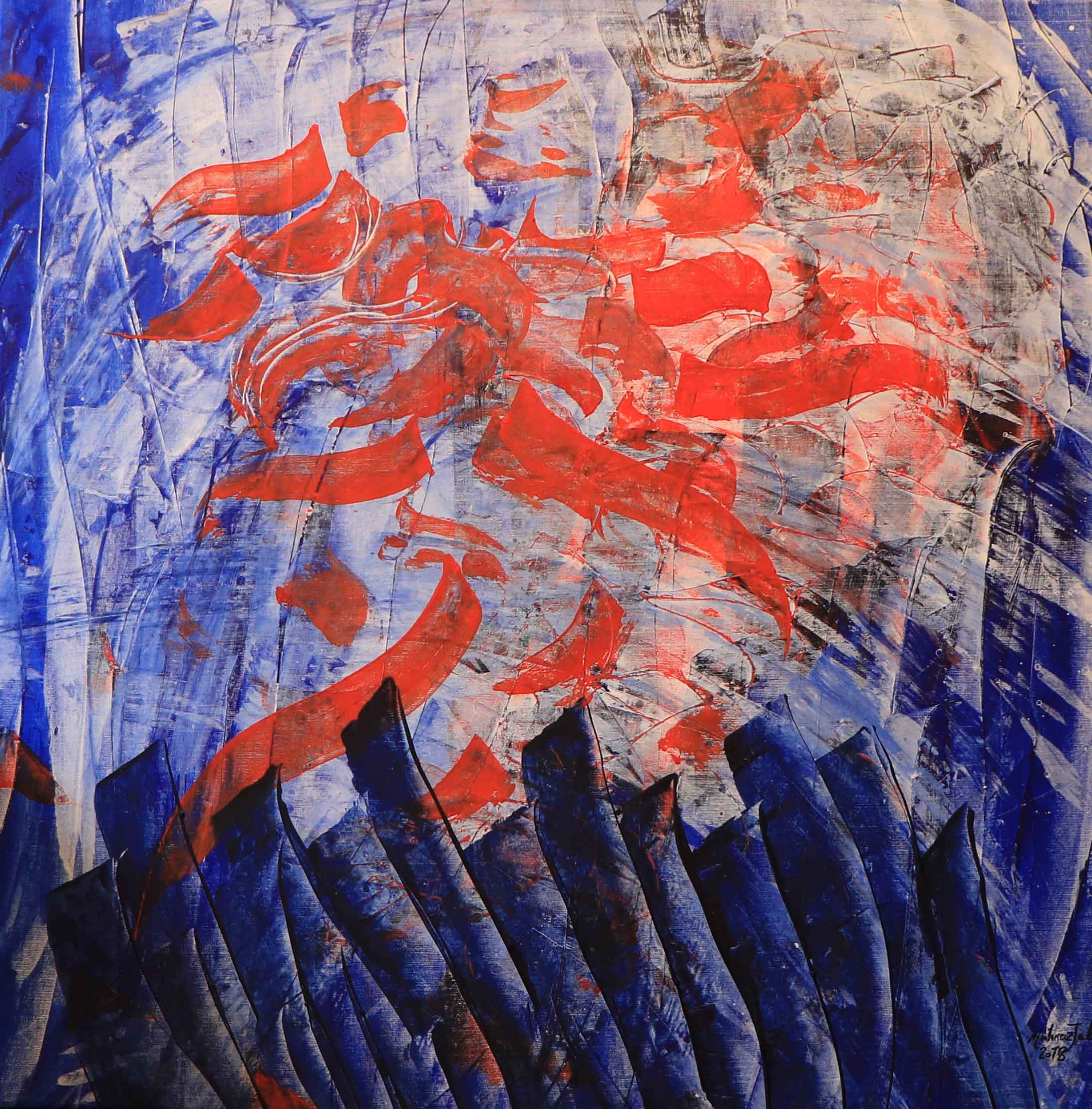
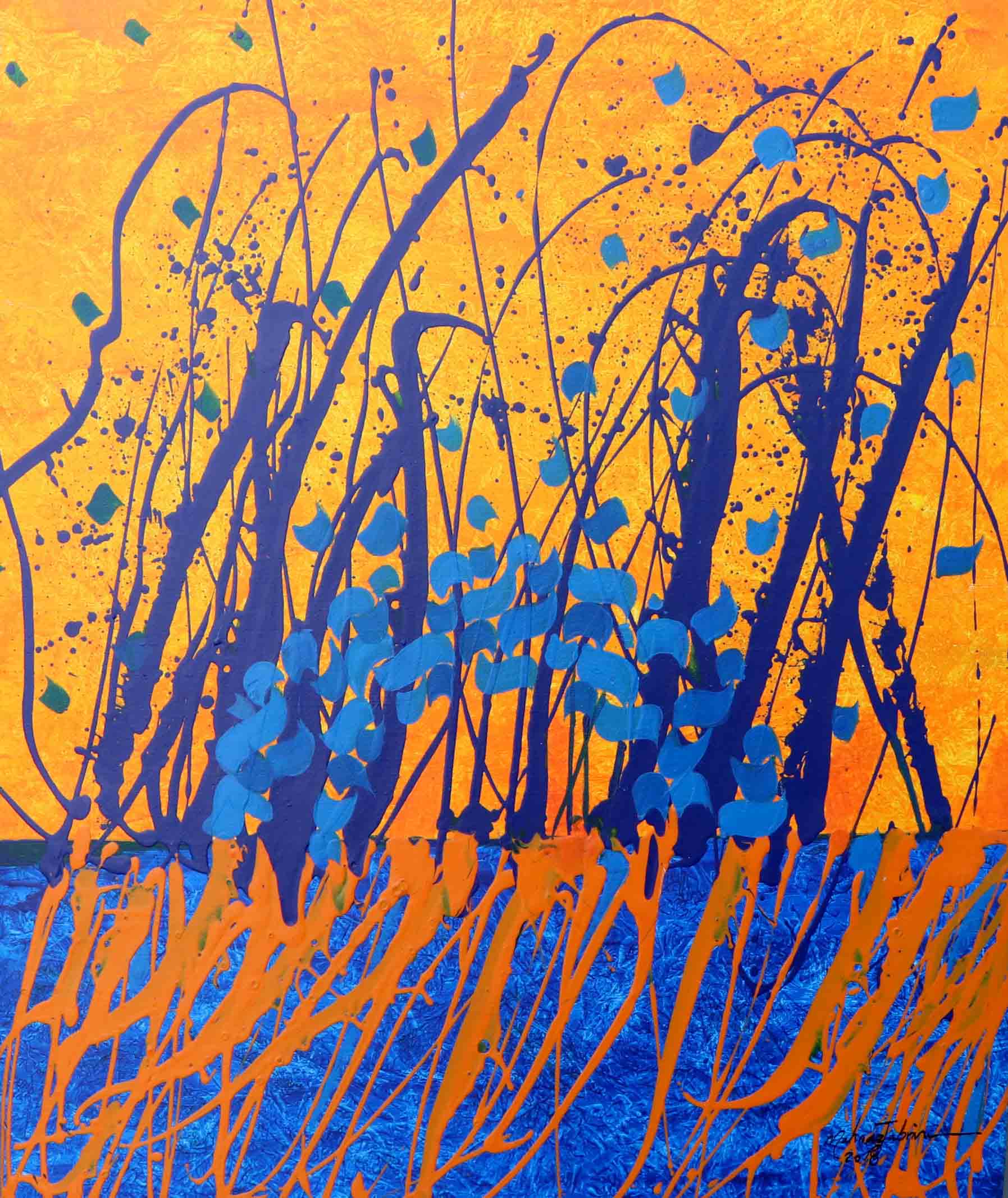
My homeland: color and dance
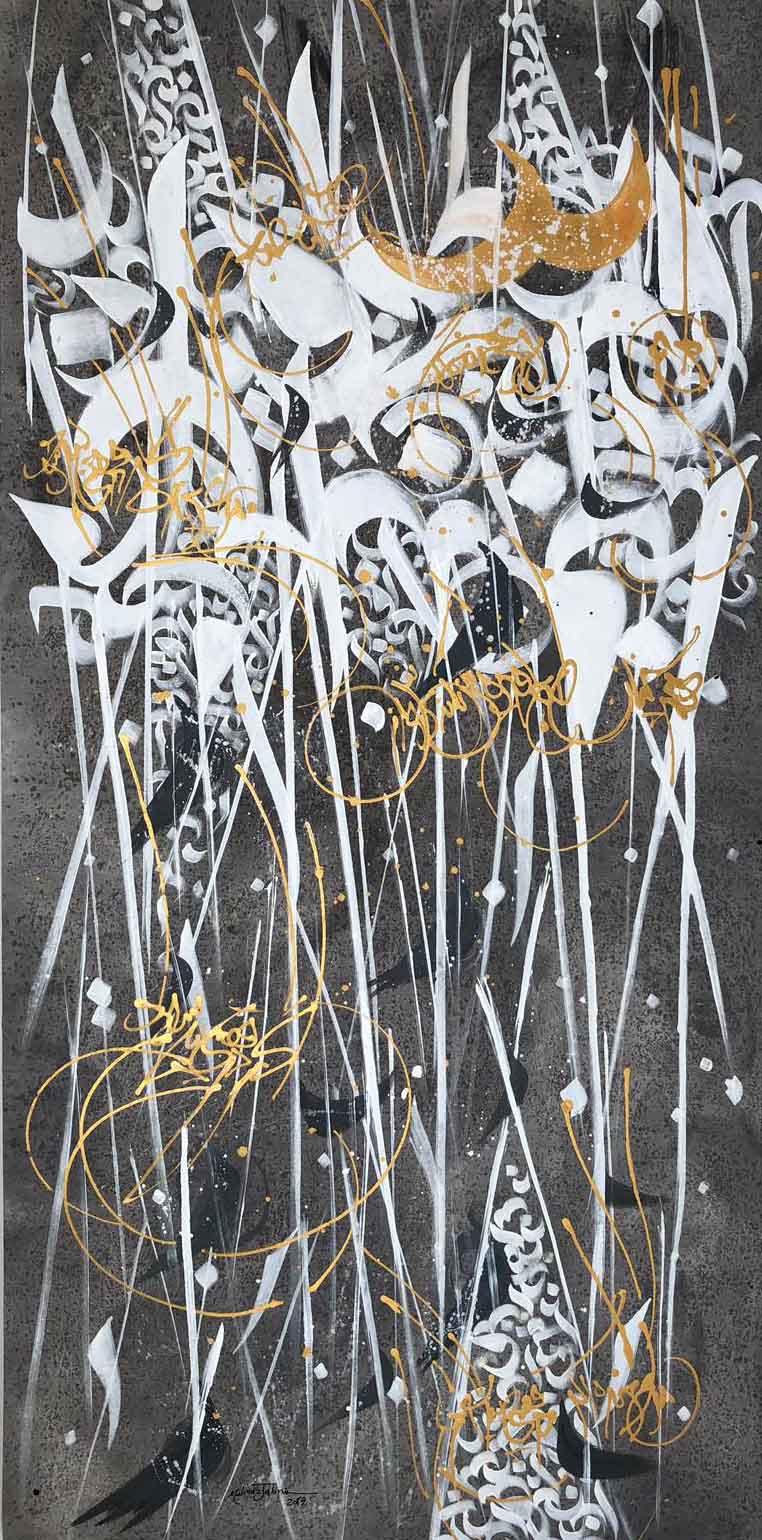
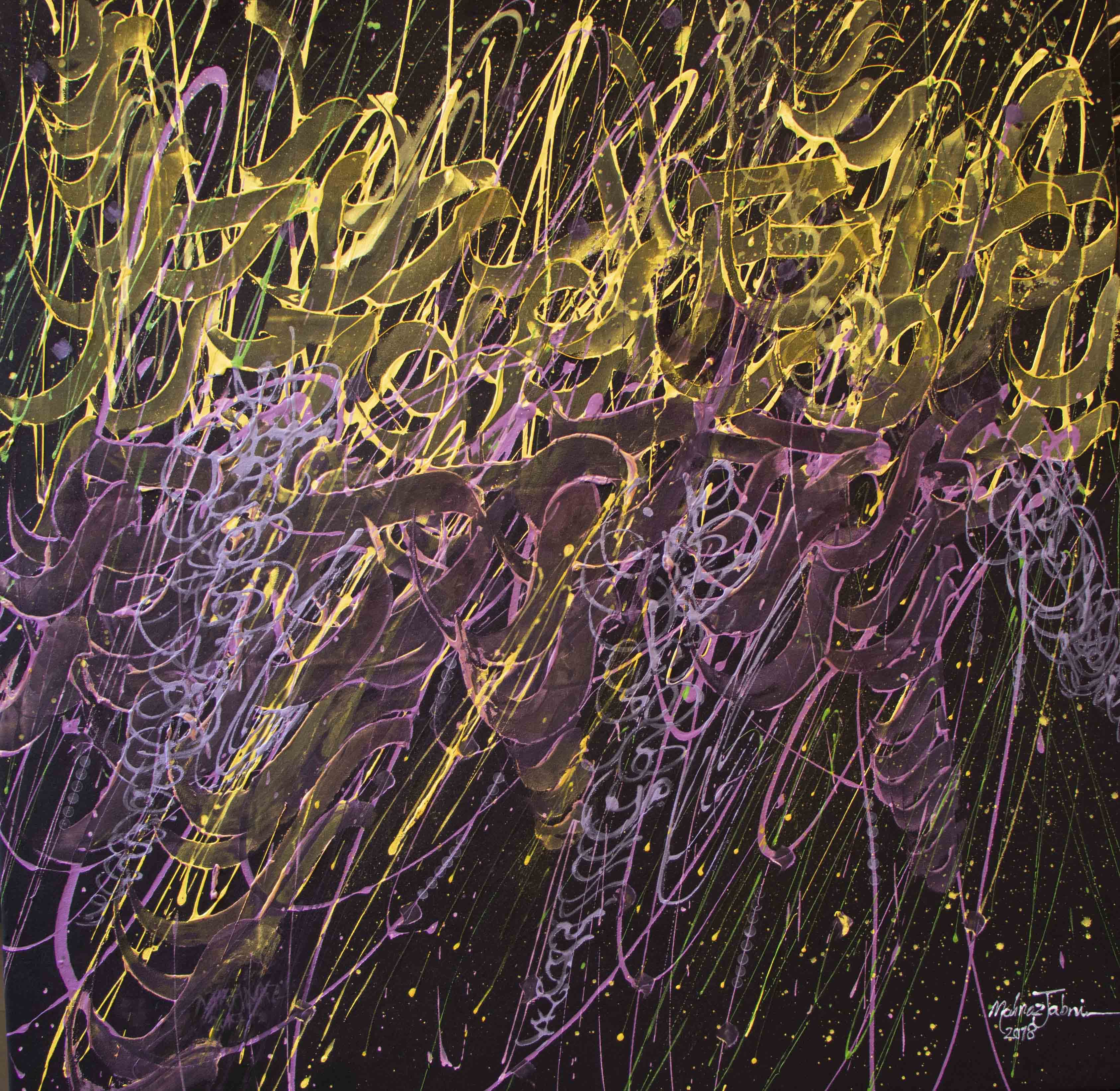
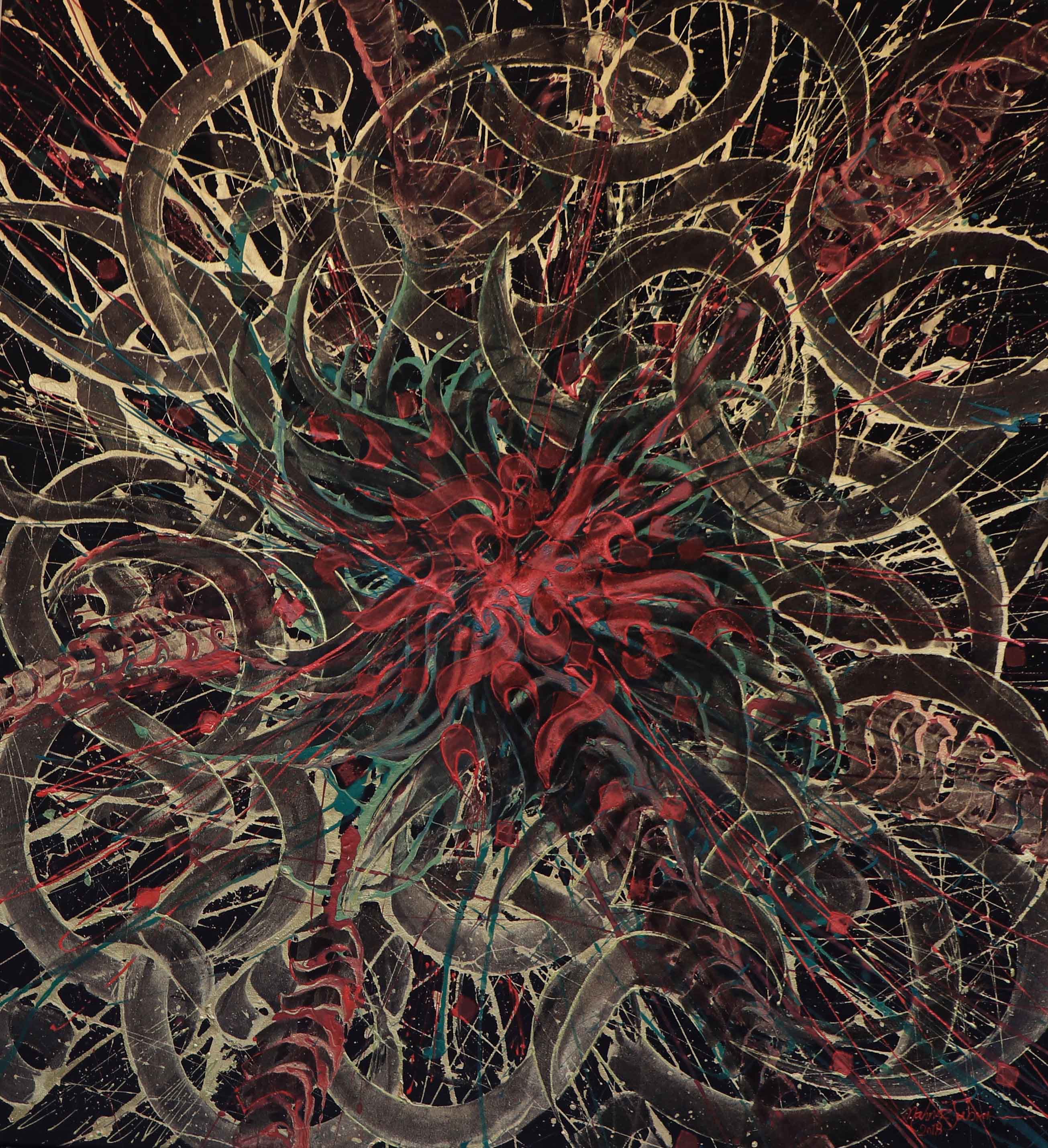
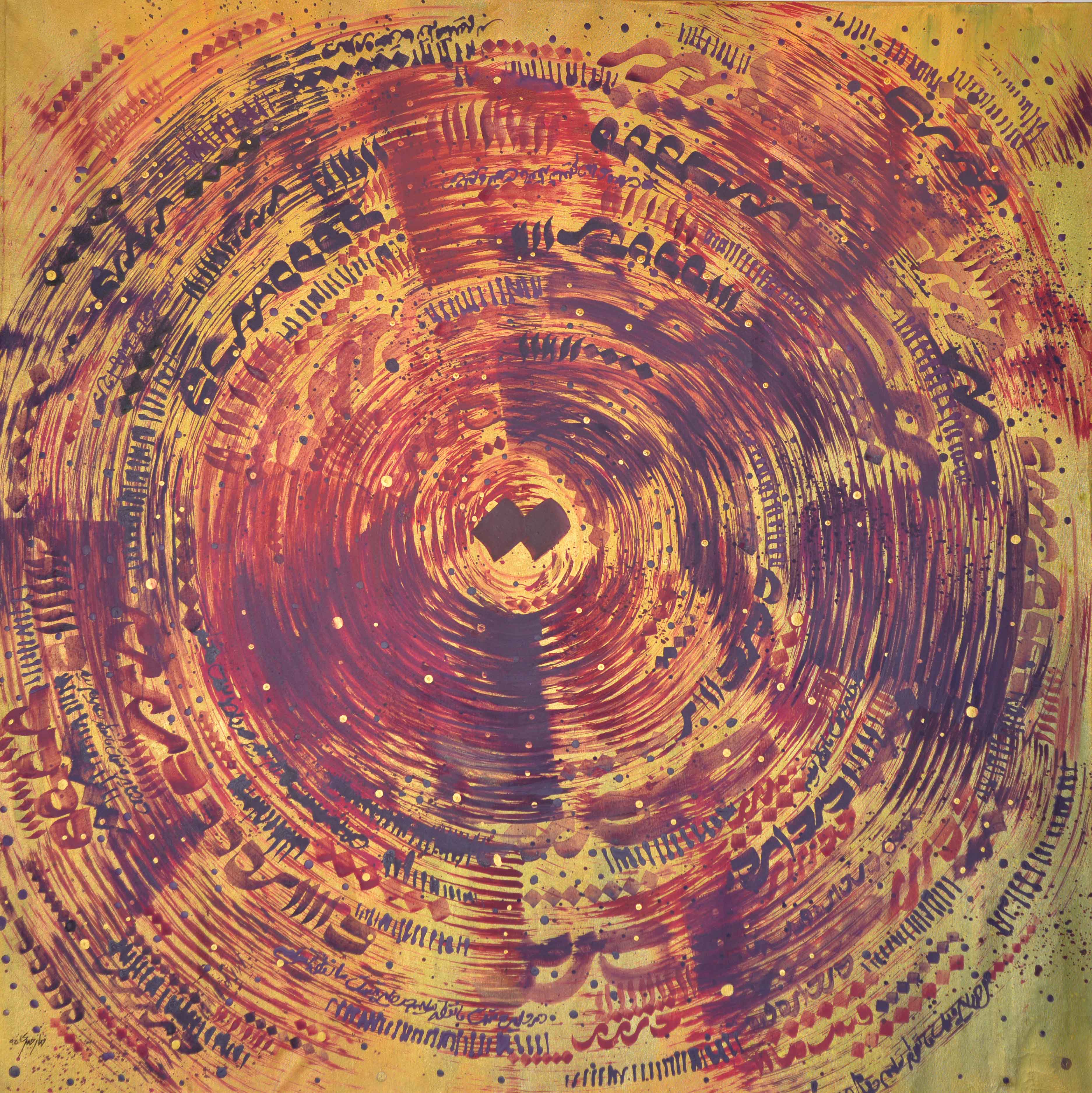
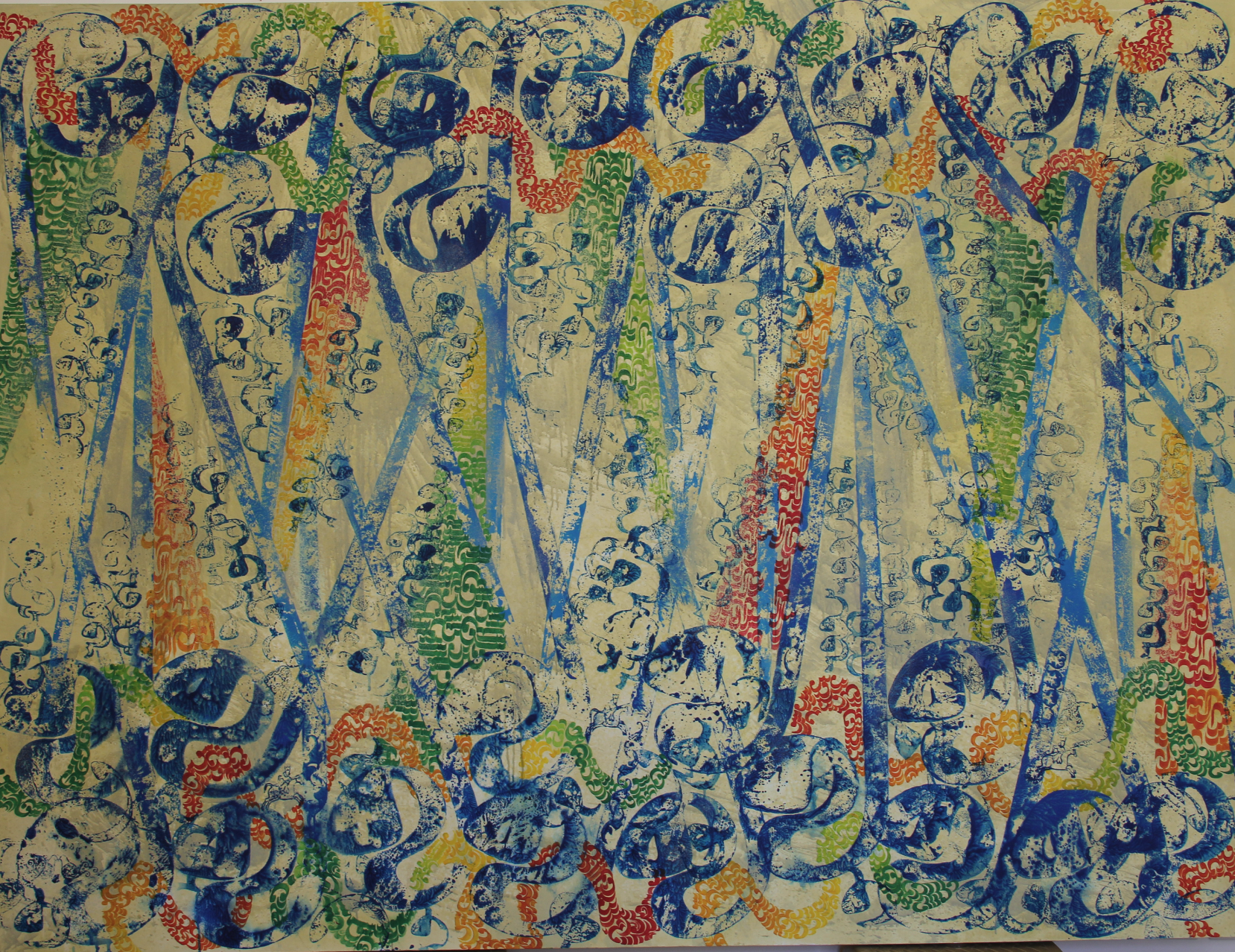
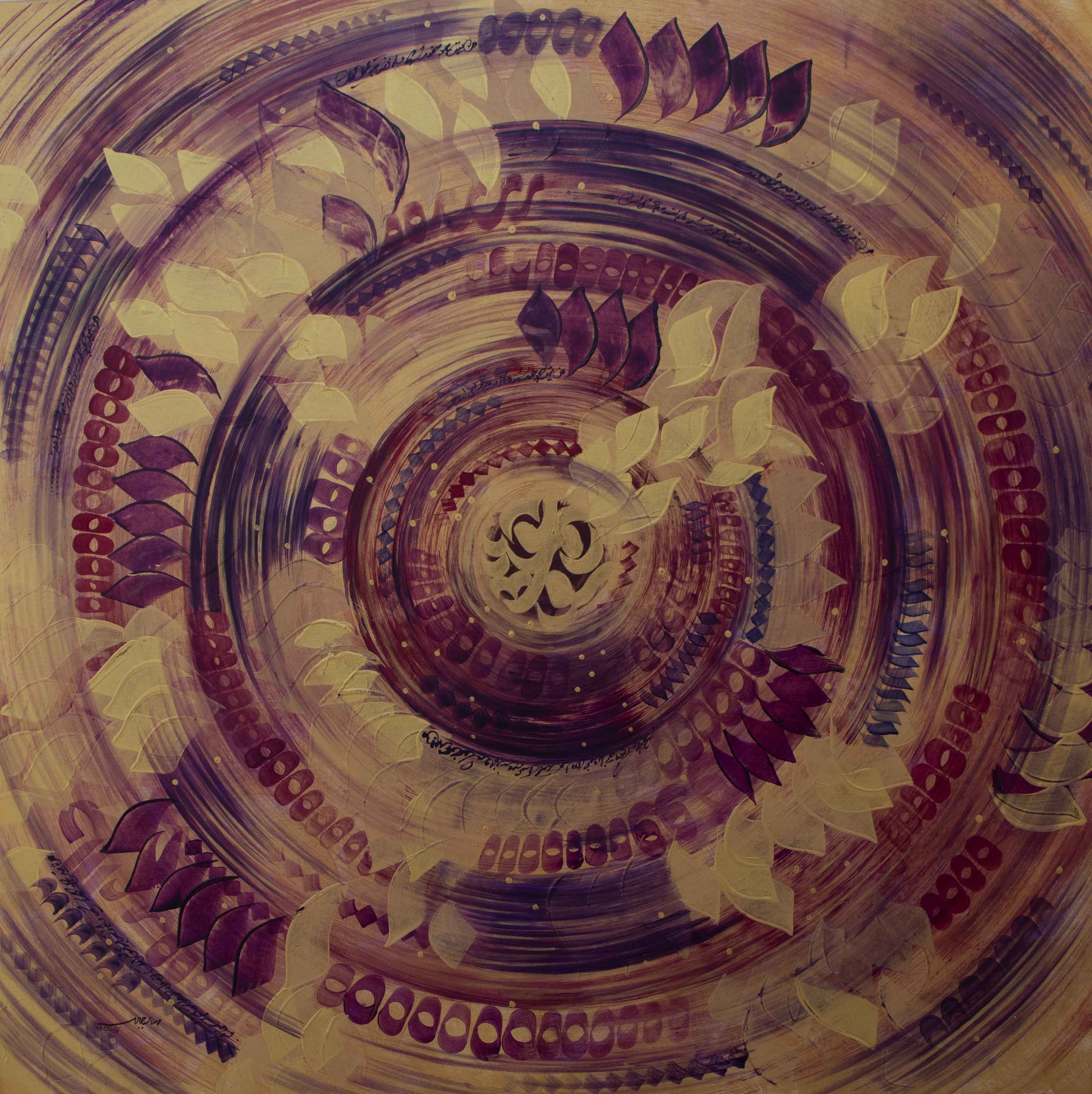
The series Sama within Sama is shaped by the poetry of Rumi, the Iranian poet and mystic, whose writings articulate movement, transcendence, and spiritual union. Sama is a form of spiritual dance structured around the axis of the circle, through which the individual detaches from earthly desires and moves toward liberation and union with the divine.
In this series, movement and dance are central concerns—understood as a fluid, continuous flow that is in constant motion. This visual dynamism reflects an ongoing spiritual journey, one without a fixed beginning or end, unfolding through perpetual rotation and rhythm.
The alphabet used in these works is derived from Pahlavi script, one of the oldest historical writing systems of Iran. The predominantly circular forms of its letters resonate with the concept of Sama, creating a visual language that unites motion, writing, and meaning, and transforms the works into contemplative, ritualistic experiences.